
 EN
EN



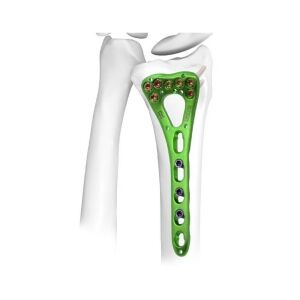
Các tấm bán kính được tạo hình theo giải phẫu cung cấp sự cố định ổn định cho các trường hợp gãy xương bán kính đoạn xa. Các nhà sản xuất hàng đầu kết hợp kỹ thuật chế tạo chính xác, vật liệu tiên tiến và chứng nhận quốc tế nhằm cung cấp các dụng cụ cấy ghép giúp khôi phục chức năng và đẩy nhanh quá trình hồi phục cho bệnh nhân.
Trải nghiệm: Sự khác biệt mà việc cố định ổn định mang lại trong quá trình hồi phục
Trong nhiều năm quan sát các quy trình chấn thương chỉnh hình và tư vấn cho các đội phẫu thuật, hiếm có khoảnh khắc nào mang lại cảm giác hài lòng bằng việc chứng kiến bệnh nhân phục hồi đầy đủ chức năng cổ tay sau một gãy xương quay phức tạp. Tuy nhiên, kết quả này không phải lúc nào cũng đảm bảo—nó phụ thuộc rất lớn vào chất lượng của dụng cụ cố định xương trong quá trình liền xương.
Tôi nhớ đến một ca lâm sàng được chia sẻ bởi một bác sĩ phẫu thuật bàn tay là đối tác. Hai bệnh nhân có vết gãy gần như giống hệt nhau đã được điều trị bằng các tấm cố định từ hai nhà sản xuất khác nhau. Một tấm có vị trí lỗ bắt vít không hợp lý và độ uốn cong không phù hợp, buộc bác sĩ phải hy sinh chất lượng khép kín xương. Bệnh nhân này gặp khó khăn về cứng khớp và cần thêm liệu pháp phục hồi chức năng. Trong khi đó, bệnh nhân còn lại được đặt một tấm cố định được thiết kế chính xác, phù hợp giải phẫu cá thể, liền xương trơn tru và trở lại hoạt động bình thường sớm hơn vài tháng. Sự khác biệt không nằm ở tay nghề phẫu thuật—mà nằm ở dụng cụ cấy ghép trong tay bác sĩ.
Chuyên môn: Thiết kế kỹ thuật các tấm cố định xương quay nhằm đạt kết quả tối ưu
Những yêu cầu đặc thù trong cố định gãy xương quay
Xương quay xa trình bày những thách thức đặc biệt trong việc cố định gãy xương. Đây là một cấu trúc ba chiều phức tạp với nhiều mặt khớp, điểm bám của dây chằng và nằm gần các dây thần kinh và gân quan trọng. Một tấm cố định xương quay phải:
-
Khôi phục sự căn chỉnh giải phẫu của mặt khớp
-
Cung cấp sự cố định ổn định để cho phép vận động sớm
-
Giảm thiểu kích ứng mô mềm thông qua thiết kế mỏng gọn
-
Cho phép cố định phù hợp với từng mảnh xương nhằm xử lý các kiểu gãy phức tạp
Đáp ứng những yêu cầu này đòi hỏi kỹ thuật công nghệ tiên tiến và sự am hiểu sâu sắc về cơ sinh học cổ tay. Các nhà sản xuất hàng đầu sử dụng năng lực nghiên cứu và phát triển (R&D) tích hợp để phát triển các tấm cố định có thể xử lý toàn bộ phổ các kiểu gãy xương, từ các trường hợp gãy ngoài khớp đơn giản đến các tổn thương gãy trong khớp phức tạp.
Khoa học vật liệu và thiết kế tấm cố định
Các tấm cố định bán kính hiện đại thường được sản xuất từ hợp kim titan hoặc thép không gỉ, mỗi loại đều mang lại những ưu điểm riêng biệt. Titan có tính tương thích sinh học tuyệt vời, tương thích với chụp cộng hưởng từ (MRI) và mô-đun đàn hồi gần với xương, giúp giảm hiện tượng che chắn ứng suất. Thép không gỉ cung cấp độ cứng cao hơn trong các tình huống yêu cầu độ ổn định tối đa, đặc biệt trên xương loãng.
Những tấm cố định tốt nhất có thiết kế phù hợp giải phẫu, khớp chính xác với độ nghiêng lòng bàn tay (volar tilt) và độ nghiêng bán kính (radial inclination) tự nhiên của đầu xa xương bán nguyệt. Việc tạo hình trước này giúp giảm nhu cầu uốn tấm trong quá trình phẫu thuật—hành động có thể làm suy yếu tấm và ảnh hưởng đến độ khít sát. Các lỗ bắt vít được bố trí chiến lược để cho phép bắt vít khóa góc biến đổi, giúp bác sĩ phẫu thuật định hướng vít vào các mảnh gãy cụ thể đồng thời tránh mặt khớp.
Hệ thống dụng cụ tích hợp
Một tấm bán nguyệt chỉ hiệu quả chừng nào các dụng cụ được sử dụng để đặt nó. Các tua vít không phù hợp, các bộ dẫn khoan thiết kế kém hoặc các mẫu cấy thử không đầy đủ đều gây khó khăn trong phẫu thuật và có thể dẫn đến biến chứng. Các nhà sản xuất cam kết đạt chuẩn xuất sắc cung cấp các giải pháp tích hợp cho cả dụng cụ cấy ghép lẫn dụng cụ phẫu thuật, đảm bảo sự tương thích hoàn hảo và kỹ thuật phẫu thuật trực quan, dễ thực hiện.
Các bộ dụng cụ này thường bao gồm:
-
Các bộ dẫn khoan độ chính xác cao, cố định chắc chắn vào các lỗ trên tấm bán nguyệt
-
Thước đo độ sâu được hiệu chuẩn để lựa chọn vít một cách chính xác
-
Các tua vít có tay cầm thuận tiện về mặt nhân trắc học và khớp nối chắc chắn
-
Các kẹp giữ tấm và dụng cụ hỗ trợ giảm khuyết để điều chỉnh gãy xương
-
Các mẫu cấy thử nhằm xác nhận kích thước và vị trí
Tính uy tín: Các hệ thống chất lượng đảm bảo độ tin cậy
Tuân thủ quy định toàn cầu
Đối với các thiết bị cấy ghép chỉnh hình, chứng nhận quy định không phải là lựa chọn—mà là điều bắt buộc. Các tấm cố định Radius xuất khẩu sang thị trường quốc tế phải đáp ứng các yêu cầu của các cơ quan y tế hàng đầu trên toàn thế giới. Các nhà sản xuất có sản phẩm đã được cấp dấu CE (Sự phù hợp với tiêu chuẩn châu Âu) và FDA (Cục Quản lý Thực phẩm và Dược phẩm Hoa Kỳ) đã trình thiết bị của họ để chịu sự thẩm định nghiêm ngặt từ các cơ quan quản lý.
Các chứng nhận này xác minh rằng thiết bị cấy ghép đáp ứng các tiêu chuẩn khắt khe về độ an toàn và hiệu năng. Chúng yêu cầu tài liệu đầy đủ về việc kiểm chứng thiết kế, thử nghiệm vật liệu, đánh giá tính tương thích sinh học và đánh giá lâm sàng. Khi các bác sĩ phẫu thuật lựa chọn các tấm cố định từ các nhà sản xuất đã được chứng nhận, họ có thể tin tưởng rằng những thiết bị cấy ghép trong tay mình đã được kiểm định độc lập.
Quản lý chất lượng toàn diện
Vượt xa các chứng nhận sản phẩm, bản thân môi trường sản xuất cũng phải đáp ứng các tiêu chuẩn khắt khe. Các công ty đã đạt chứng nhận ISO 13485 (hệ thống quản lý chất lượng thiết bị y tế) thể hiện cam kết toàn diện về chất lượng, bao trùm mọi hoạt động kinh doanh. Tiêu chuẩn quốc tế này yêu cầu các quy trình được tài liệu hóa liên quan đến kiểm soát thiết kế, quản lý rủi ro, đánh giá nhà cung cấp, giám sát sản xuất và giám sát sau khi đưa sản phẩm ra thị trường.
Các chứng nhận bổ sung như ISO 14001 (quản lý môi trường), ISO 50001 (quản lý năng lượng) và ISO 45001 (an toàn sức khỏe nghề nghiệp) phản ánh cam kết của nhà sản xuất đối với các hoạt động sản xuất bền vững và có trách nhiệm. Đối với các đối tác bệnh viện, những chứng nhận này mang lại sự tin tưởng rằng nhà sản xuất sẽ tiếp tục là một nhà cung cấp đáng tin cậy trong nhiều năm tới.
Năng lực sản xuất đảm bảo tính nhất quán
Chất lượng đồng nhất đòi hỏi các quy trình đồng nhất—và các quy trình đồng nhất lại cần cơ sở hạ tầng sản xuất vững chắc. Các nhà sản xuất hàng đầu vận hành các cơ sở có diện tích không gian sản xuất trên 30.000 mét vuông và hơn 350 thiết bị xử lý và kiểm tra. Quy mô này cho phép:
-
Gia công chính xác các hình học tấm phức tạp
-
Hoàn thiện bề mặt nhằm loại bỏ các cạnh sắc và các khuyết tật không đều
-
Kiểm tra tự động đảm bảo mọi tấm đều đáp ứng đúng thông số kỹ thuật
-
Làm sạch và đóng gói đã được xác minh để duy trì vô khuẩn
-
Hệ thống truy xuất nguồn gốc theo dõi từng dụng cụ cấy ghép từ nguyên vật liệu đến thành phẩm
Đối với các đội phẫu thuật, điều này có nghĩa là sự tin tưởng rằng mỗi tấm họ mở ra—dù để điều trị một vết gãy đơn giản hay một ca tái tạo phức tạp—đều đạt cùng những tiêu chuẩn khắt khe như nhau.
Độ tin cậy: Đối tác đồng hành hỗ trợ quá trình hồi phục thành công
Tùy chỉnh theo nhu cầu phẫu thuật
Không có hai trường hợp gãy xương nào giống nhau, và cũng không có hai bệnh nhân nào hồi phục hoàn toàn giống nhau. Khả năng của nhà sản xuất trong việc cung cấp các dịch vụ được cá thể hóa là dấu hiệu đặc trưng của một mối quan hệ đối tác thực sự. Dù là điều chỉnh độ dài tấm cố định, thay đổi cấu hình vít hay phát triển dụng cụ phẫu thuật riêng cho từng bệnh nhân nhằm xử lý các ca phức tạp, những nhà sản xuất phản hồi nhanh luôn hỗ trợ bác sĩ phẫu thuật đạt được kết quả tốt nhất có thể.
Các tùy chọn cá thể hóa có thể bao gồm:
-
Độ dài tấm cố định linh hoạt, phù hợp với các kiểu gãy xương khác nhau
-
Nhiều lựa chọn về chiều rộng để tương thích với giải phẫu của bệnh nhân
-
Thiết kế riêng biệt cho bên trái và bên phải nhằm đảm bảo độ khít giải phẫu
-
Tấm cố định chuyên biệt theo từng mảnh xương gãy dành cho các trường hợp gãy khớp phức tạp
-
Điều chỉnh dụng cụ phẫu thuật nhằm đáp ứng sở thích kỹ thuật của bác sĩ phẫu thuật
Nguồn cung ổn định cho các ca phẫu thuật đã lên lịch
Trong phẫu thuật chấn thương chỉnh hình, khả năng cung cấp dụng cụ cấy ghép ảnh hưởng trực tiếp đến chất lượng chăm sóc bệnh nhân. Các bác sĩ phẫu thuật lên lịch thực hiện ca mổ dựa trên việc có sẵn đúng loại dụng cụ cấy ghép cần thiết. Việc chậm trễ có thể dẫn đến hoãn phẫu thuật và làm bệnh nhân thất vọng. Các nhà sản xuất đáng tin cậy duy trì năng lực sản xuất mạnh mẽ và quản lý hàng tồn kho đầy đủ nhằm đảm bảo nguồn cung ổn định.
Độ tin cậy này không chỉ dừng lại ở việc có hàng tồn kho đơn thuần. Các nhà sản xuất hàng đầu hợp tác chặt chẽ với các bệnh viện để hiểu rõ khối lượng ca mổ và sở thích về dụng cụ cấy ghép của họ, đồng thời duy trì mức tồn kho an toàn nhằm phòng ngừa những biến động bất ngờ về nhu cầu. Như một số đội ngũ phẫu thuật hài lòng đã chia sẻ, những đối tác "có đủ hàng tồn kho và giao hàng nhanh chóng" giúp việc lên lịch mổ diễn ra thuận lợi và đảm bảo tính dự báo trong chăm sóc bệnh nhân.
Phản hồi lâm sàng thúc đẩy cải tiến liên tục
Các nhà sản xuất hàng đầu không chỉ sản xuất các thiết bị cấy ghép—mà còn học hỏi từ từng ca phẫu thuật. Bằng cách duy trì các kênh giao tiếp mở với các đối tác phẫu thuật, họ thu thập phản hồi để thúc đẩy quá trình cải tiến sản phẩm. Thiết kế tấm nào dễ sử dụng nhất? Cấu hình vít nào mang lại độ cố định ổn định nhất? Các bác sĩ phẫu thuật gặp khó khăn ở đâu—những thách thức mà thiết kế tốt hơn có thể giải quyết?
Chu kỳ cải tiến liên tục này mang lại lợi ích cho tất cả mọi người. Các bác sĩ phẫu thuật được tiếp cận những sản phẩm ngày càng tinh vi hơn. Bệnh nhân được hưởng lợi từ các thiết bị cấy ghép được tối ưu hóa phù hợp với giải phẫu và kiểu gãy xương của họ. Đồng thời, các nhà sản xuất cũng hiểu sâu sắc hơn về nhu cầu lâm sàng, từ đó nâng cao khả năng hỗ trợ các đổi mới trong tương lai.
Chất lượng tạo dựng niềm tin
Cuối cùng, sự khẳng định mạnh mẽ nhất dành cho bất kỳ nhà sản xuất thiết bị cấy ghép nào đến từ các đội ngũ phẫu thuật—những người sử dụng sản phẩm của họ trong từng ca phẫu thuật. Phản hồi tích cực—như nhận xét: "Dịch vụ rất tốt và chất lượng tuyệt vời"—phản ánh hiệu suất thực tế, điều quan trọng nhất.
Khi các bác sĩ phẫu thuật tin tưởng giao các thiết bị cấy ghép cho một nhà sản xuất, họ đang đặt kết quả điều trị của bệnh nhân vào tay chất lượng mà công ty đó đảm bảo. Những nhà sản xuất hàng đầu thấu hiểu trách nhiệm này và xây dựng toàn bộ hoạt động của mình nhằm giành được niềm tin ấy mỗi ngày. Họ nhận thức rõ rằng đằng sau mỗi tấm nẹp xương quay là một bệnh nhân đang hy vọng phục hồi chức năng toàn diện — viết lách, làm việc, chăm sóc gia đình và sống không còn đau đớn.
Kết luận: Nền tảng cho việc điều trị gãy xương quay thành công
Gãy xương quay là một trong những chấn thương cơ xương khớp phổ biến nhất, ảnh hưởng đến bệnh nhân ở mọi lứa tuổi. Với nhiều người, một vết gãy lành tốt đồng nghĩa với việc trở lại cuộc sống bình thường. Còn với những người khác, kết quả kém có thể dẫn đến đau mạn tính, hạn chế chức năng và suy giảm chất lượng cuộc sống. Sự khác biệt thường nằm ở chất lượng của các thiết bị hỗ trợ quá trình phục hồi.
Bằng cách lựa chọn các tấm cố định xương quay từ những nhà sản xuất có bộ phận nghiên cứu và phát triển (R&D) tích hợp, cơ sở hạ tầng sản xuất vững chắc, hệ thống chứng nhận toàn cầu toàn diện và cam kết thực sự đối với tinh thần hợp tác, các đội phẫu thuật mang đến cho bệnh nhân nền tảng tốt nhất để phục hồi. Những nhà sản xuất này, được dẫn dắt bởi triết lý như "Chăm sóc vì sự sống, làm trụ cột cho tương lai", thấu hiểu rằng mỗi tấm cố định không chỉ là một sản phẩm, mà còn là niềm hy vọng của bệnh nhân về việc khôi phục chức năng.
Trong tay các bác sĩ phẫu thuật lành nghề, được hỗ trợ bởi những đối tác đáng tin cậy, các tấm cố định xương quay được thiết kế giải phẫu học giúp biến niềm hy vọng ấy thành hiện thực—một ca phục hồi thành công tại một thời điểm.
Mục lục
- Trải nghiệm: Sự khác biệt mà việc cố định ổn định mang lại trong quá trình hồi phục
- Chuyên môn: Thiết kế kỹ thuật các tấm cố định xương quay nhằm đạt kết quả tối ưu
- Tính uy tín: Các hệ thống chất lượng đảm bảo độ tin cậy
- Độ tin cậy: Đối tác đồng hành hỗ trợ quá trình hồi phục thành công
- Kết luận: Nền tảng cho việc điều trị gãy xương quay thành công