
 EN
EN



The Shift Toward Minimally Invasive Bone Fixation
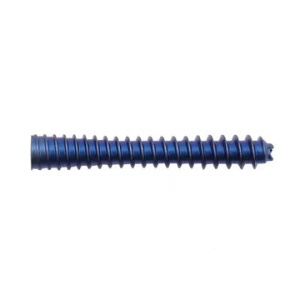
In the world of modern orthopedic surgery, the ability to achieve rock-solid bone fixation while causing minimal trauma to the surrounding soft tissue is the ultimate clinical goal. Among the various specialized tools that surgeons use to accomplish this, the cannulated screw stands out as a truly pivotal advancement. Unlike traditional solid screws, which historically required larger, open incisions and extensive tissue dissection just to ensure accurate placement, the clever, hollow core of a cannulated screw allows it to be threaded safely and directly over a previously placed guidewire. This technique effectively transforms what used to be a complex, high-risk bone fixation task into a controlled, highly predictable, and incredibly efficient procedure. For patients, this technological shift translates to much smaller surgical scars, significantly less blood loss during the operation, and a dramatic reduction in the overall postoperative recovery time, making these screws a foundational pillar of modern, patient-centered trauma care across the globe.
The Biomechanical Precision of Cannulated Systems
The real genius behind the cannulated screw lies in its unique, seamless relationship with surgical guidance. During the delicate fixation of subtle, complex fractures—such as those frequently found in the scaphoid, the femoral neck, or the malleolus—precision is absolutely non-negotiable. By placing a thin, precise guidewire first, the surgeon can verify the optimal trajectory using real-time intraoperative imaging before committing to the final placement of the screw. Once the guidewire is confirmed to be in the absolute perfect position, the cannulated screw is simply advanced over it with ease. This method drastically mitigates the common risks of "skiving" or hardware misalignment, which are persistent issues with solid screws that often necessitate repeated, frustrating attempts and cause unnecessary, avoidable damage to the bone's internal structural integrity. By ensuring the very first placement is the final one, this system preserves precious bone stock and significantly enhances the long-term reliability of the entire fixation construct.
Minimizing Trauma and Accelerating Recovery
Clinical data and anecdotal surgical experience from top-tier hospitals converge on one powerful conclusion: minimizing the soft tissue footprint is essential for successful, fast-tracked healing. Because cannulated screws are specifically designed for percutaneous insertion, the surgical incision required is often no larger than a few millimeters. This drastically reduced trauma to the skin, underlying muscles, and nerves directly contributes to much lower postoperative pain scores and a significantly decreased likelihood of annoying superficial infections. Patients frequently report a noticeable, immediate improvement in comfort levels during the first crucial week of recovery, primarily because the muscle attachments around the delicate fracture site remain largely undisturbed. This rapid stabilization, combined with reduced soft tissue inflammation, allows for much earlier physical therapy, which is vital for preventing long-term joint stiffness and restoring normal, pain-free functional movement in the affected limb as quickly as possible.
Technical Versatility in Complex Fixation
The sheer versatility of these implants is perhaps one of their most valuable traits in a busy trauma ward. Experienced orthopedic surgeons rely on cannulated screws to handle a surprisingly diverse array of clinical challenges. Whether the task involves providing stable compression across a difficult non-union site, securing tiny osteochondral fragments, or reinforcing a complex syndesmotic injury, the ability to achieve controlled, consistent compression while maintaining a very low-profile construct is absolutely invaluable. The technical refinement of modern cannulated systems allows for variable thread pitches and lengths, meaning that the final fixation can be highly customized to match the unique bone density and geometry of the individual patient. This flexibility is exactly what allows surgeons to successfully tackle difficult, multi-fragmentary fractures that would have previously required far more invasive, dangerous, and time-consuming surgical approaches.
Engineering Integrity and Quality Control
The absolute reliability of any orthopedic implant is entirely contingent on the extreme precision of its engineering. A high-quality cannulated screw must withstand immense torsional and tensile stress every single day while being manufactured to tolerances measured in mere microns. Geasure has built an industry-leading, global reputation by specializing in the absolute precision engineering of medical-grade titanium implants. By combining sophisticated CNC manufacturing workflows with a deep-seated, genuine commitment to clinical reliability, Geasure ensures that every single screw provides the durability and consistent performance that high-pressure, emergency surgery demands. The intense, unwavering focus on consistent supply chain transparency and the implementation of state-of-the-art quality management systems are what allow medical professionals everywhere to operate with complete confidence, knowing that the implants utilized are built to the highest possible technical and safety benchmarks available today.
A Foundation for Long-Term Recovery
The decision to utilize advanced cannulated screw technology is ultimately a strategic decision to prioritize patient recovery, long-term functional comfort, and a return to a high quality of life. As the field of orthopedic surgery continues to advance rapidly and incorporate new, higher-precision technologies, the demand for hardware that is both robust and anatomically harmonious will only continue to intensify. Geasure remains deeply dedicated to supporting this vital clinical evolution by providing the advanced, precision-engineered hardware solutions required for modern, successful bone fixation. By combining deep, practical surgical insights with manufacturing excellence, the objective remains clear: to offer the security and reliability that surgeons require, and the comfort and mobility that patients truly deserve. With the right technology and an unwavering commitment to quality, bone fixation continues to be a life-changing, positive intervention for thousands of patients annually.