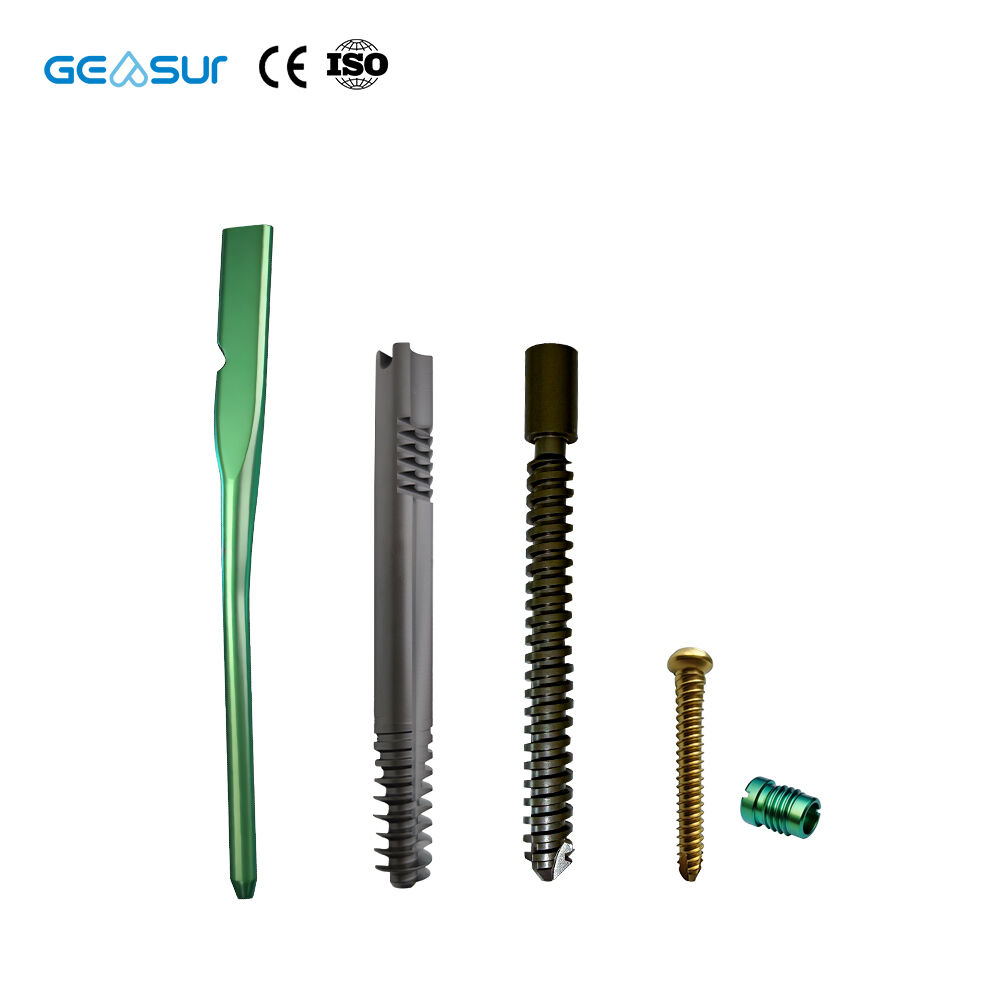
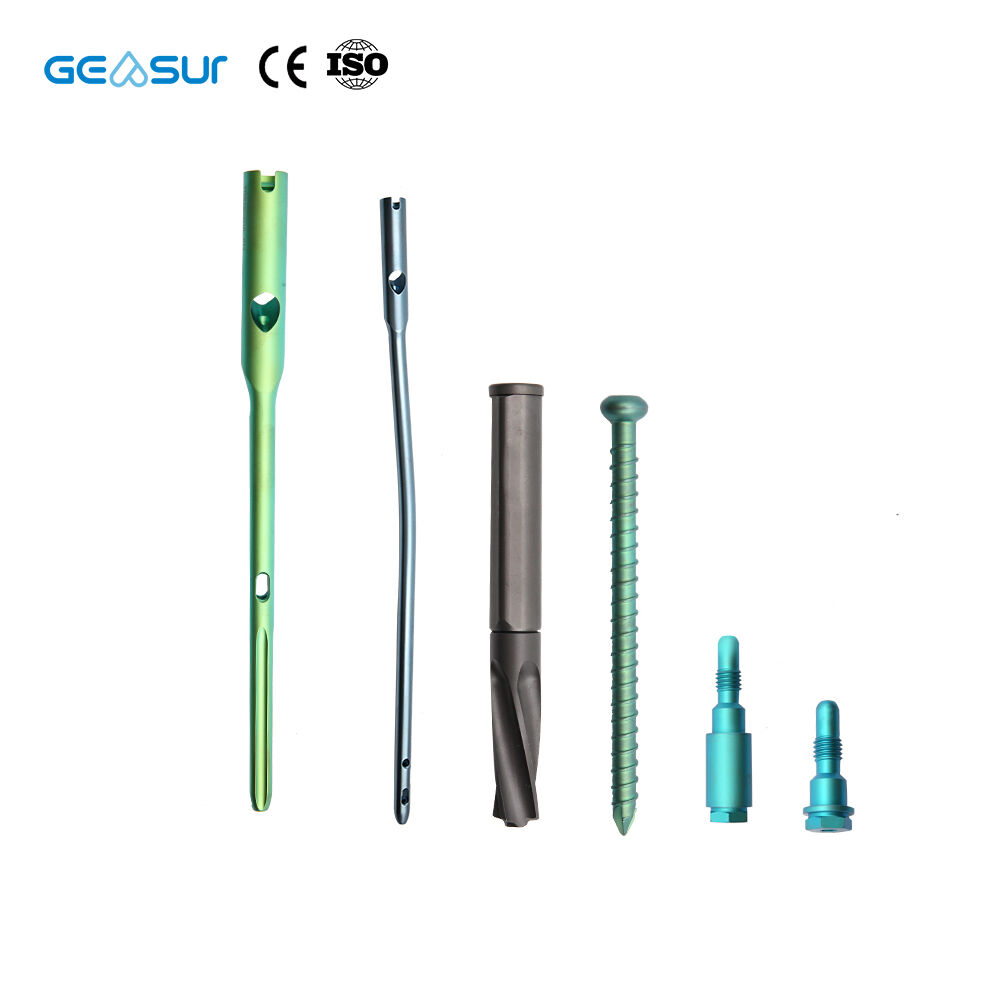
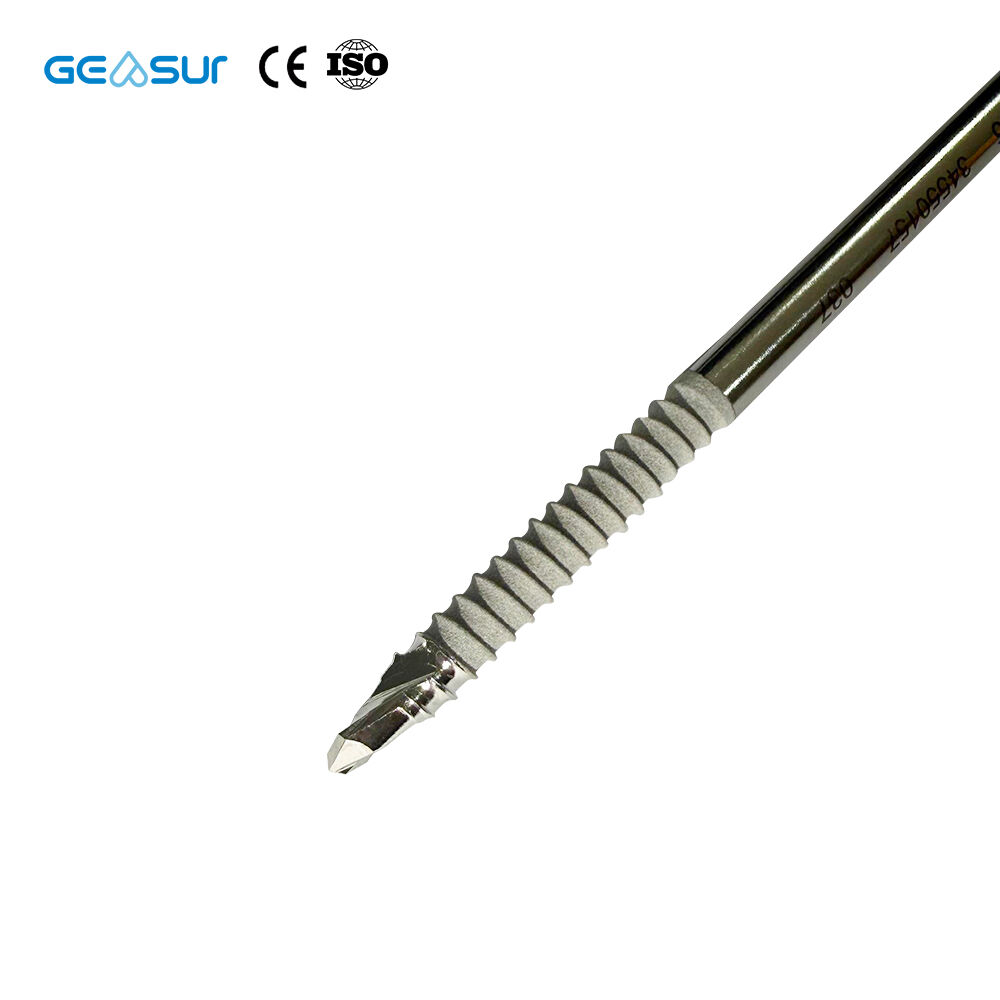
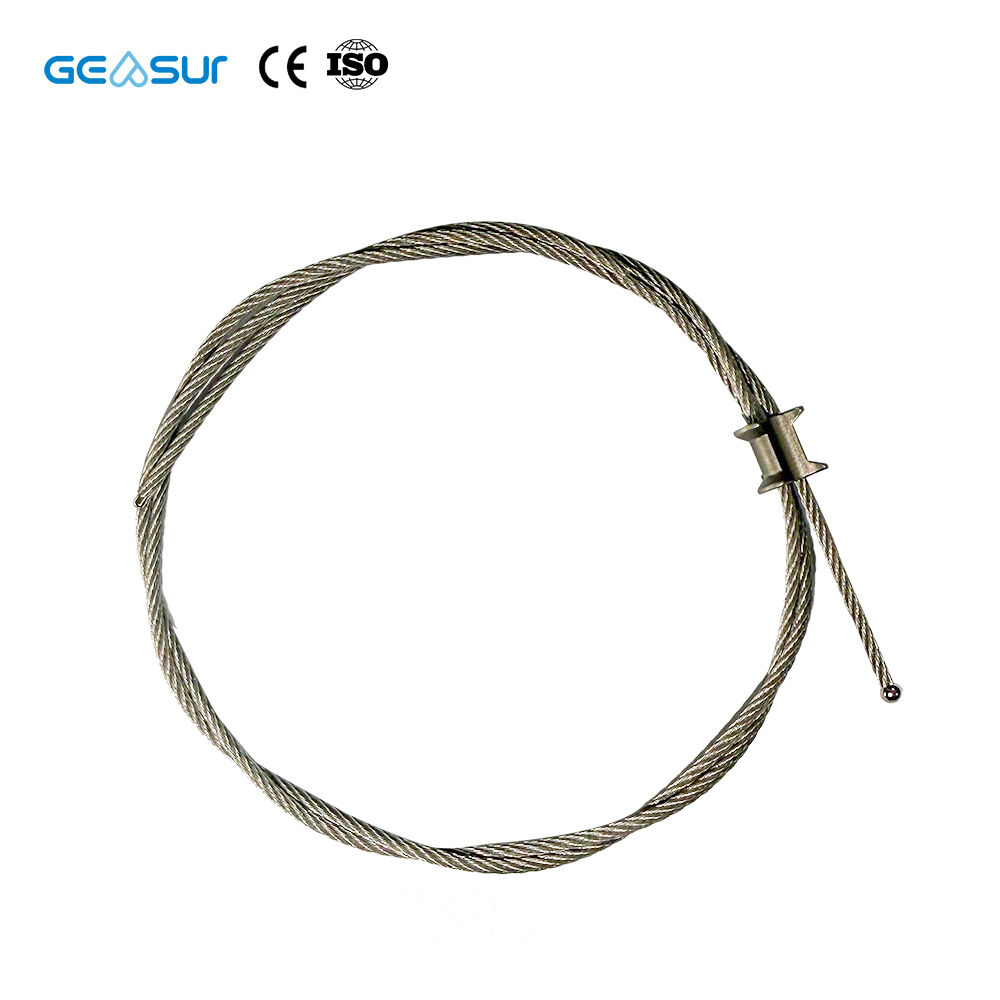
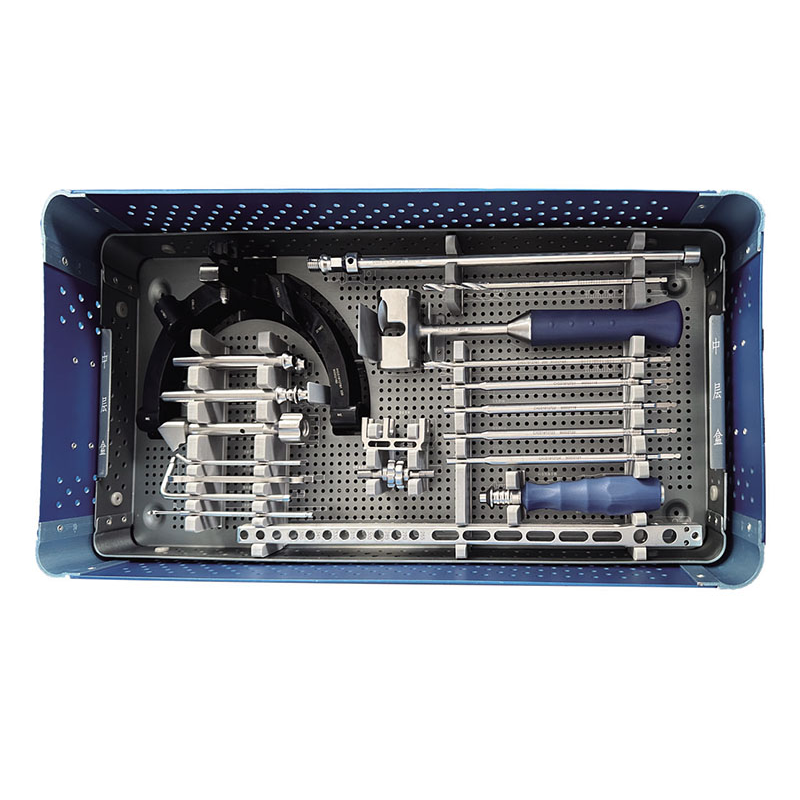
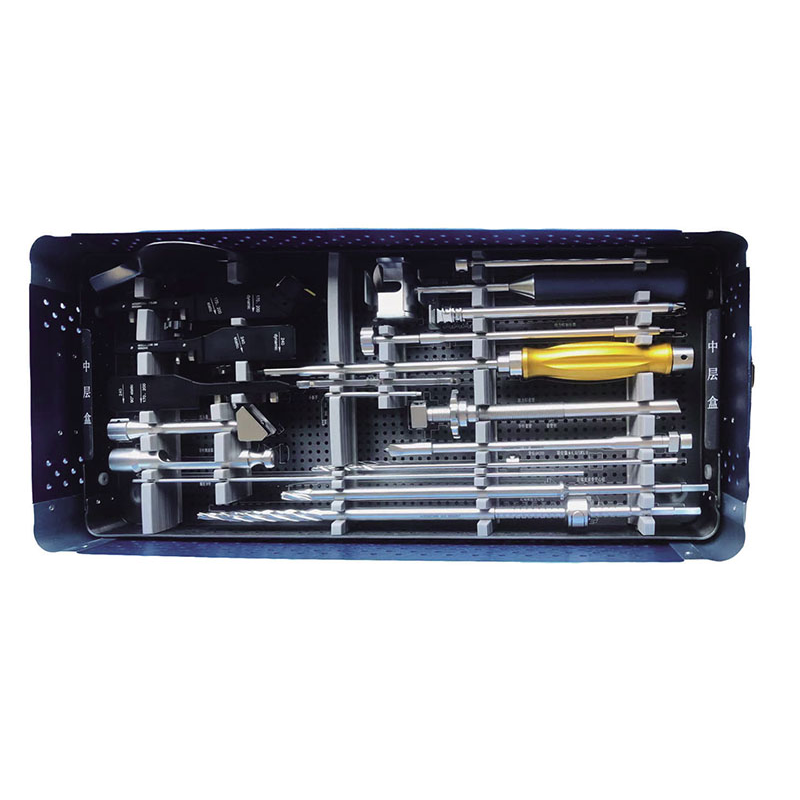
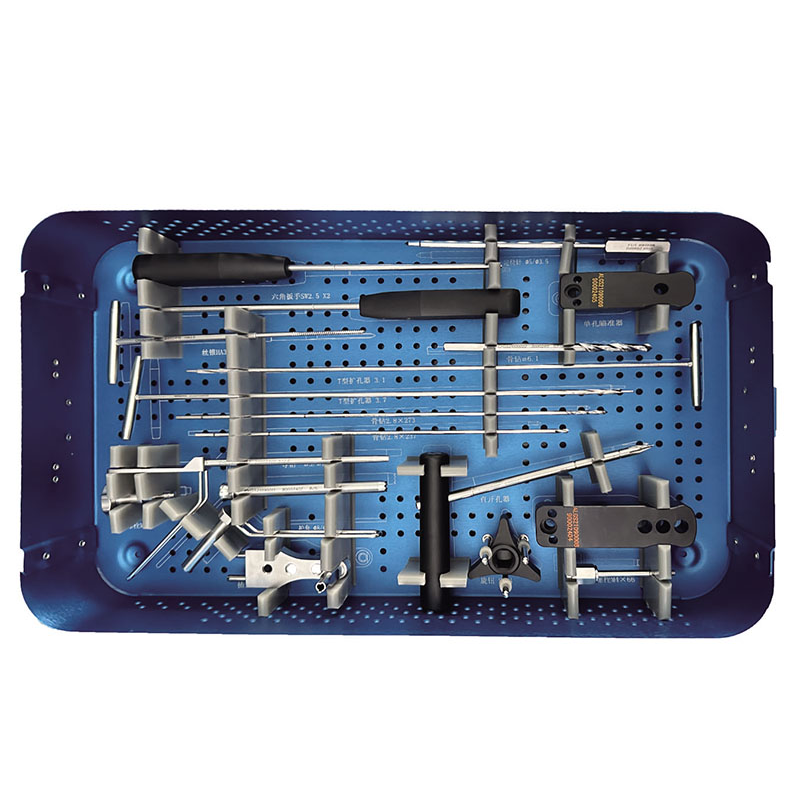
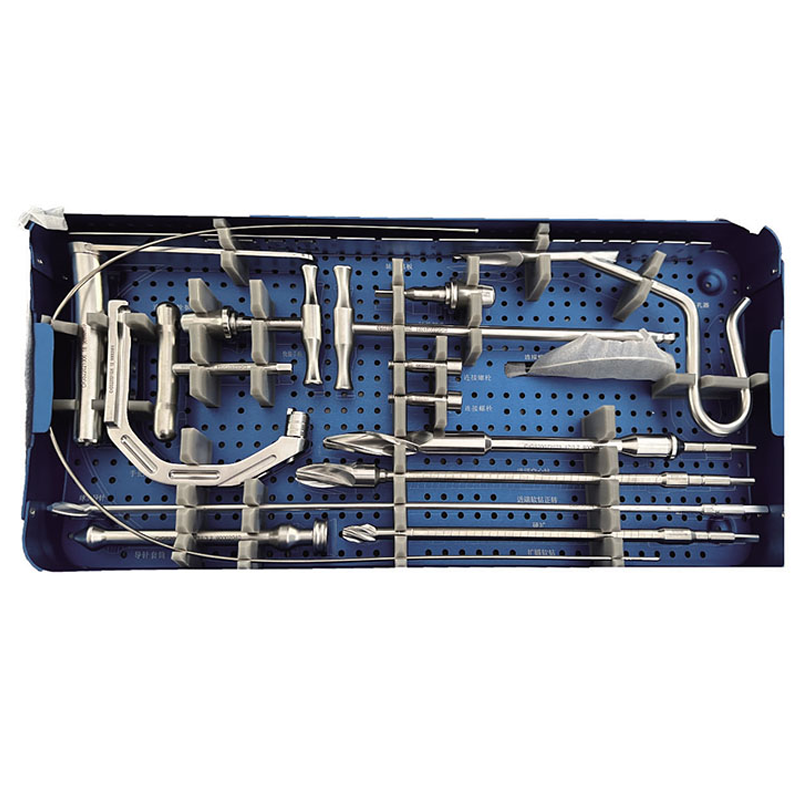
The fixation of a fracture is the key to maintaining the bone in its reduced position and achieving firm healing in good alignment. External fixation is mainly used for patients who have undergone manual reduction of fractures, and there are also cases where external fixation is required after open internal fixation of fractures. Including: small clamp fixation, plaster bandage fixation, external display frame fixation, continuous traction fixation, and external fixation bracket fixation. Internal fixation is mainly used for open reduction, using metal internal fixation devices such as bone plates, screws, intramedullary nails, or locking intramedullary nails to fix the anatomical position of the fracture segment.
Compared with traditional bone plates, the internal fixation bracket formed by locking plates and screws can provide highly stable internal fixation, avoiding the loss of initial and secondary reduction, and providing sufficient stability for both normal and osteoporotic bone. It is particularly suitable for elderly patients with osteoporosis. At the same time, the angular stability mechanism of locking plates and screws does not rely on friction between plates and bones to provide stability, and plates and cortical bone do not need to be in close contact, reducing periosteal damage and minimizing the impact on bone blood circulation. Due to these advantages of locking plates, they are increasingly becoming the most important internal implant in clinical trauma treatment.
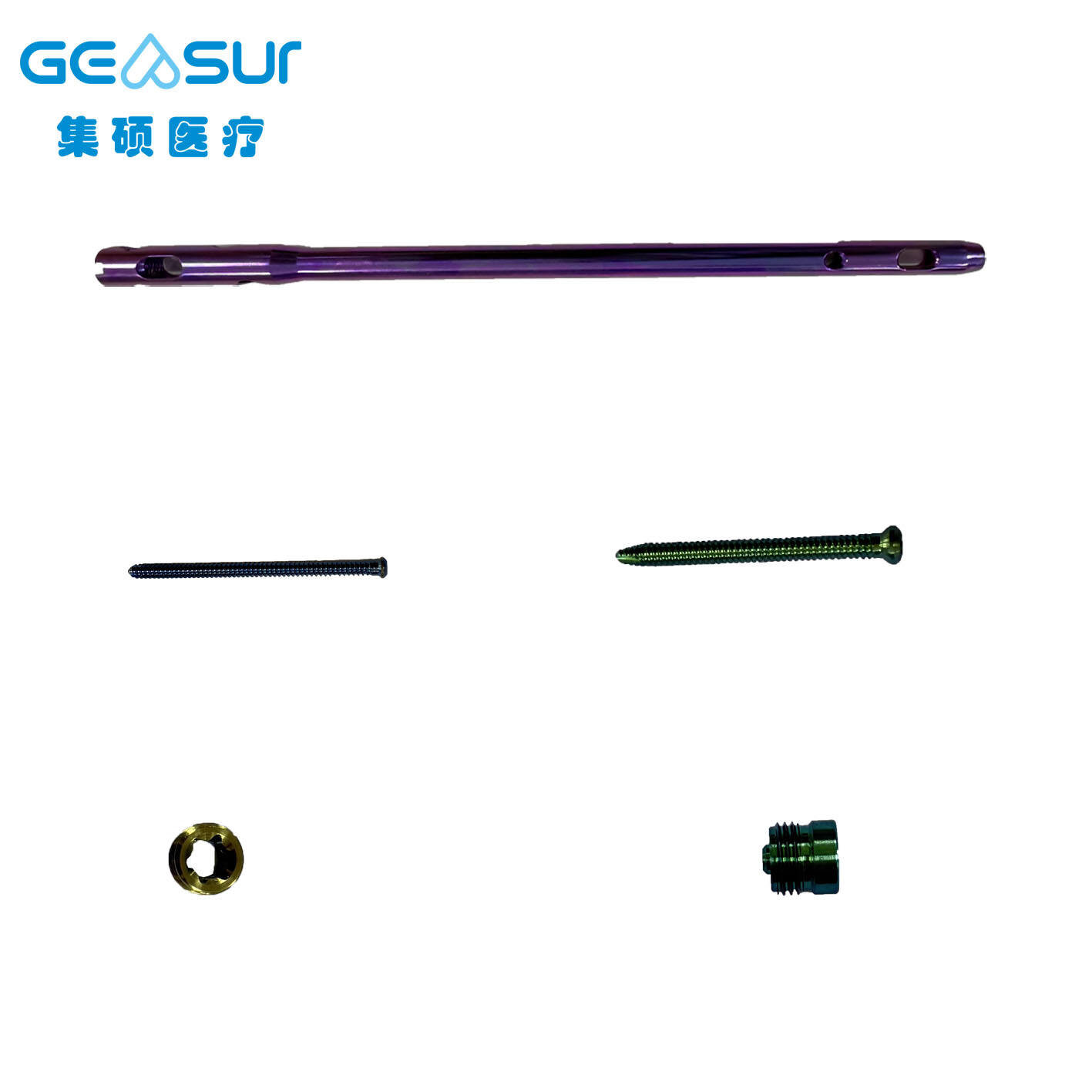
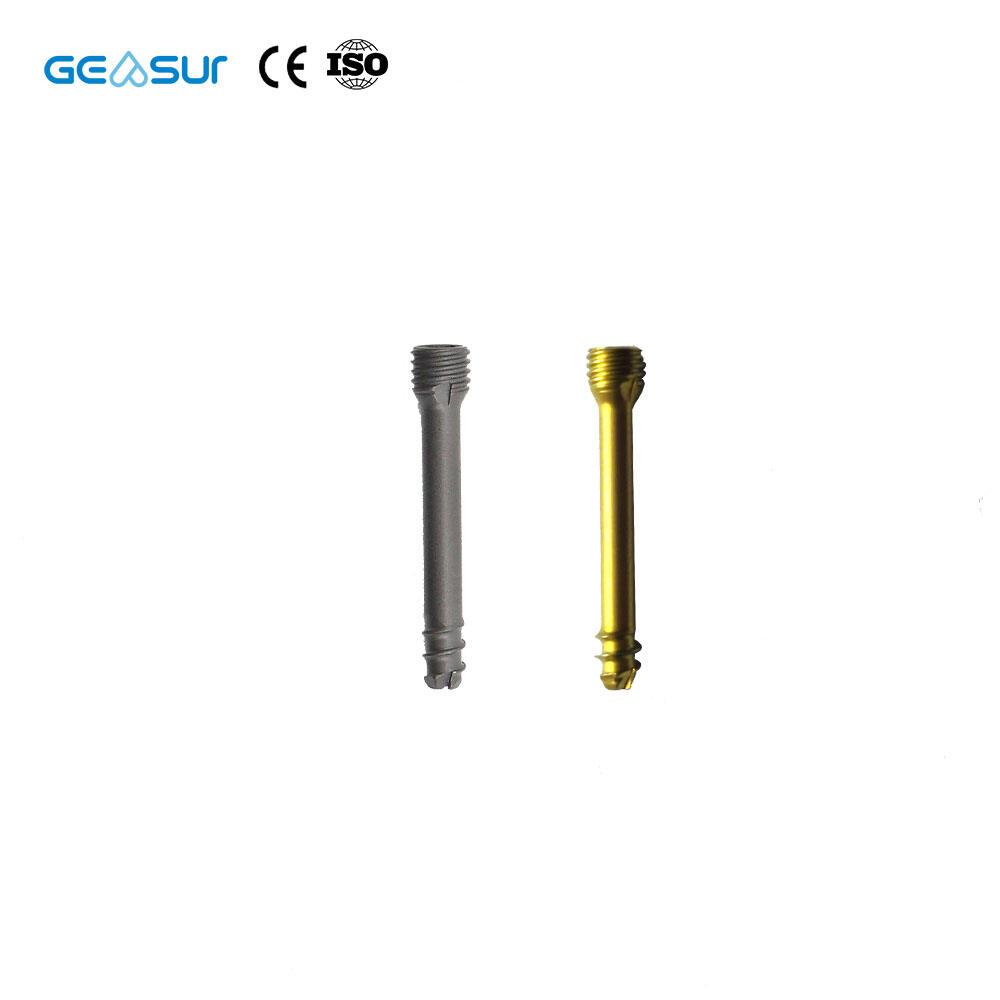
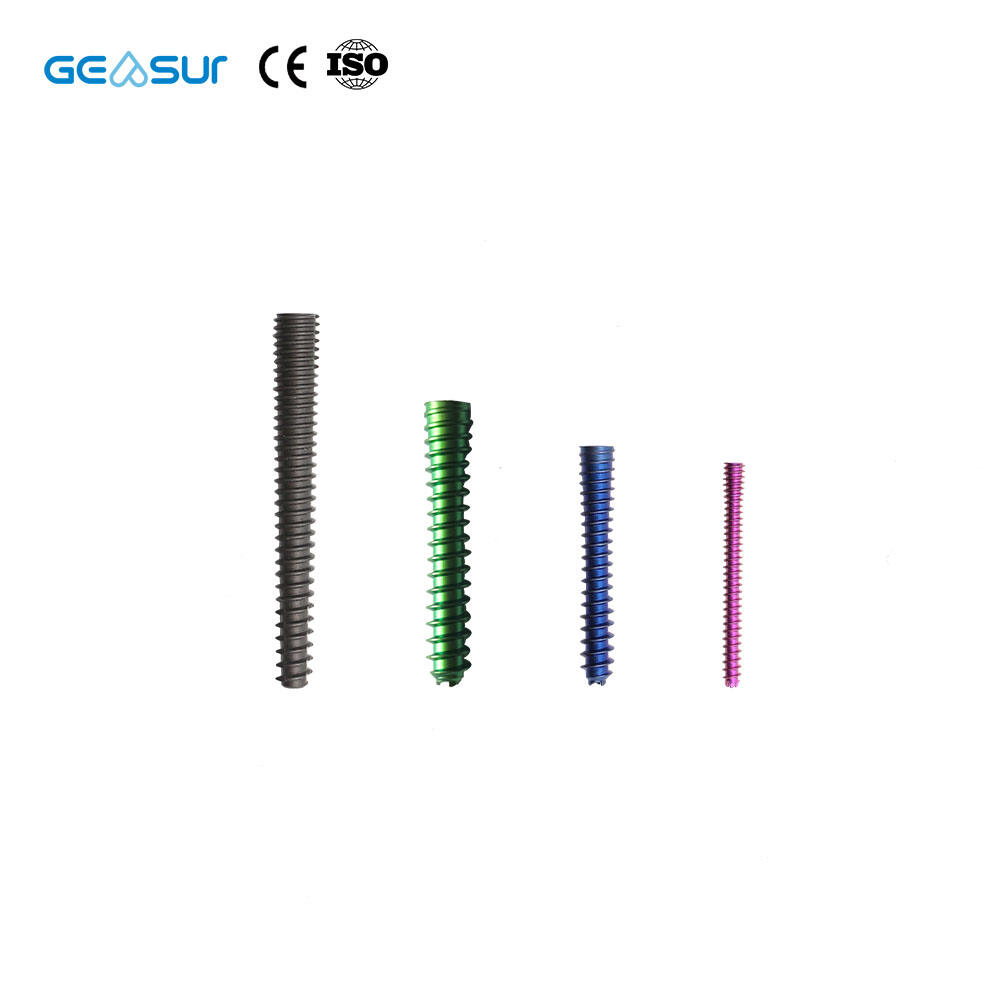
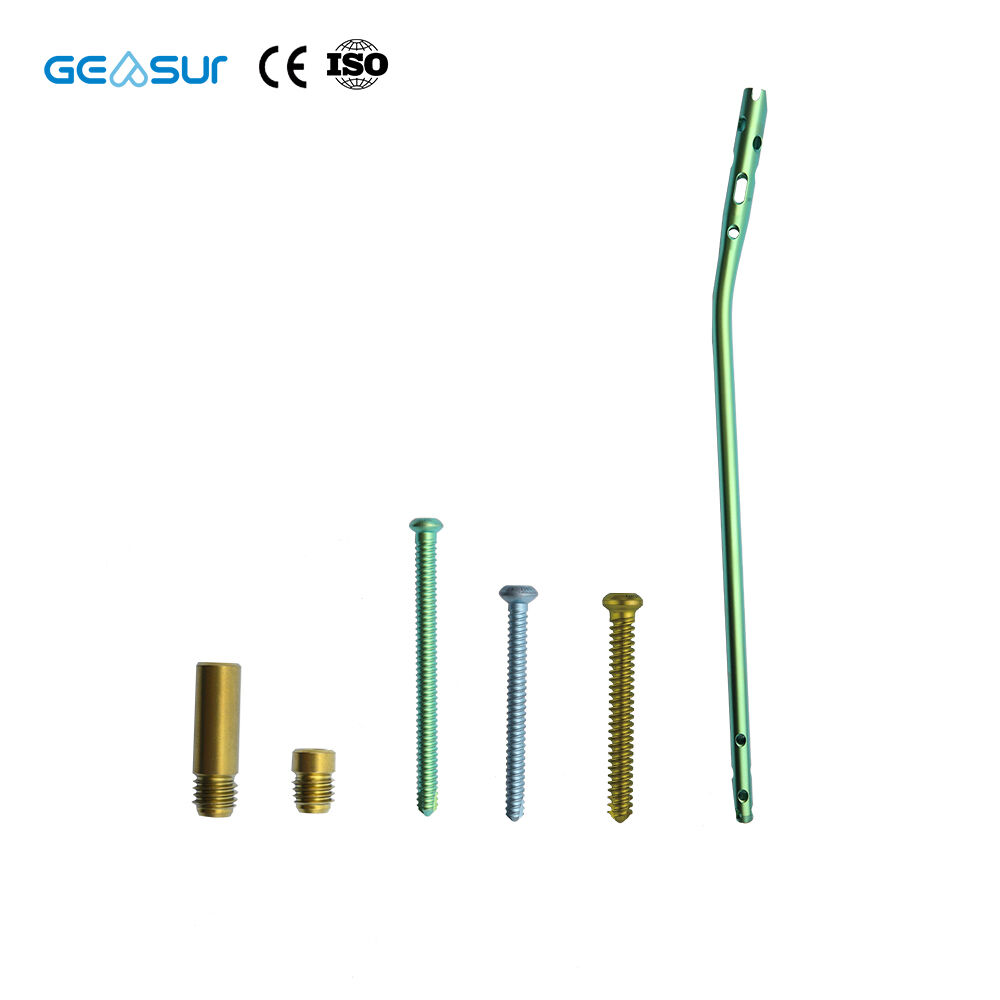
At present, our intramedullary nail series products are one of the most complete varieties among domestic manufacturers, including expert level intramedullary nails PFNA、Intertan、 Brachial intramedullary nail and other structures have an intramedullary nail rod, with a proximal locking screw hole at the proximal end of the intramedullary nail rod, and a decompression plane on the surface of the intramedullary nail rod. There are at least one elongated decompression plane on the surface of the intramedullary nail rod, which can extend from the proximal end to the distal end of the intramedullary nail rod. A locking screw positioning screw hole and a connecting sleeve positioning groove are provided at the proximal end of the intramedullary nail rod. The product is suitable for long tubular fractures of limbs such as femur, tibia, humerus, ulna, radius, fibula, etc. It consists of intramedullary nails, locking nails, tension nails, compression nails, stop rings, etc; And it is suitable for pediatric fractures. A large number of research and development improvements have been made in the design, process, and production of intramedullary nails. Through clinical comparative studies, the optimal intramedullary nail model, characteristics, curvature radius, and more precise anatomical curvature have been determined, resulting in better biomechanical performance and effective control of the axial force line at the fracture site; Locking intramedullary nails with special angles are more effective in preventing fracture rotation and reducing the risk of intramedullary nail fracture.
Our intramedullary nail surgery includes both forward and backward nailing. The new anchor positioning frame simplifies the surgical process, greatly shortens the surgical time, reduces the infection rate, shortens the learning curve for doctors, and better serves patients. Our company is currently actively researching and innovating in the field of intramedullary nail biomaterials, gradually improving and selecting more suitable treatment plans for patients.

 EN
EN