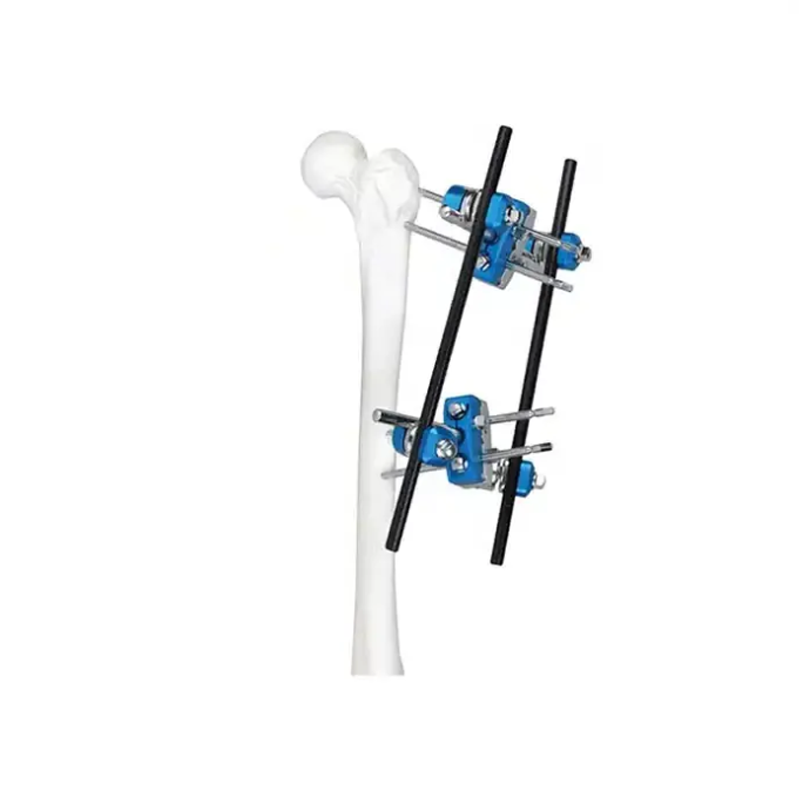
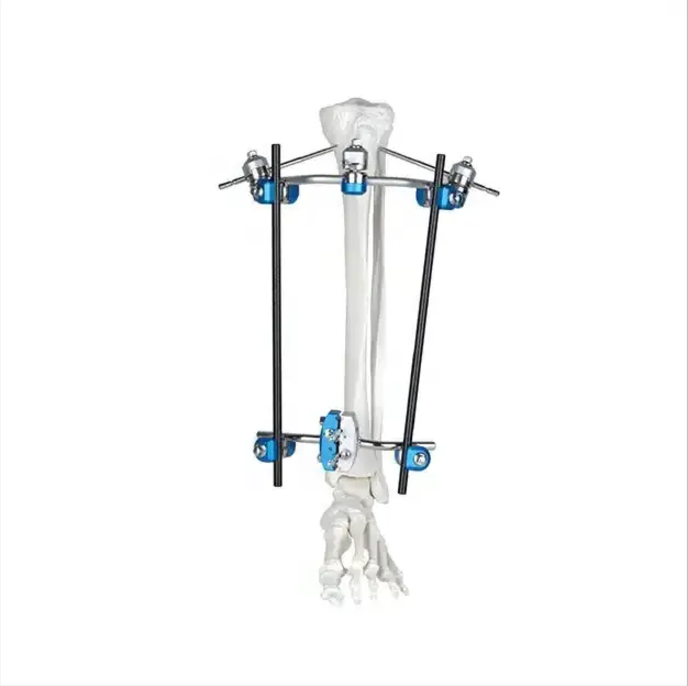
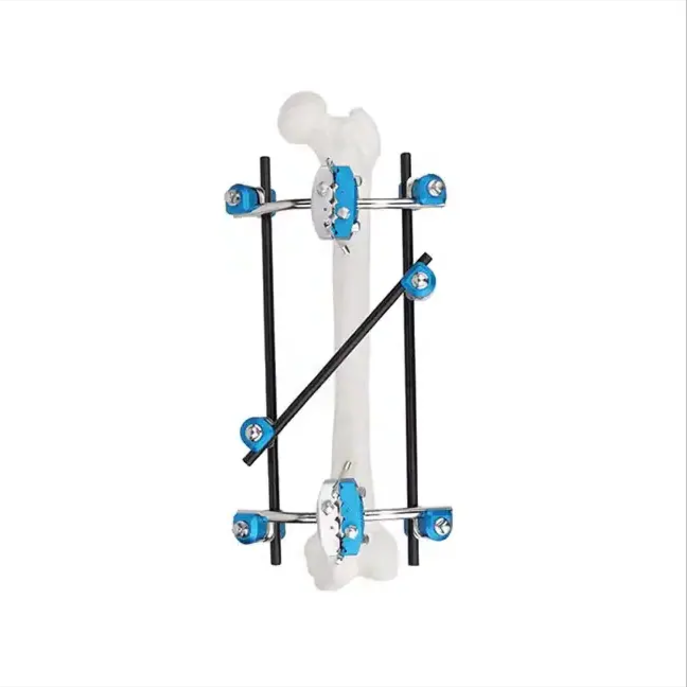
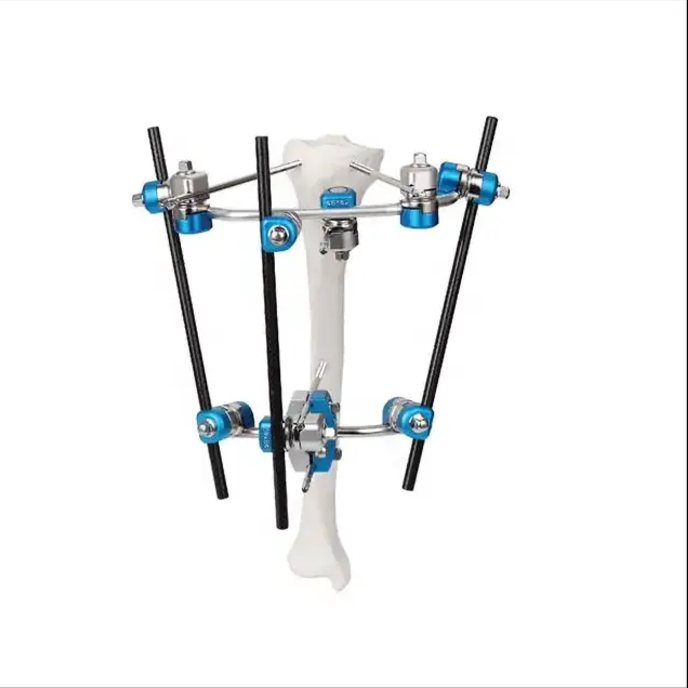
Features and Benefits of External Fixator External fixator is more suitable for open unstable fractures, especially for cases with soft tissue injuries. It is a pre-treatment for other treatments, such as intramedullary nail and other internal fixation methods.
Fixed forms are:
•Standard unilateral bridging frame
•Standard bilateral bridging frame
•Independent pin frame
•Periarticular fixed frame •Osteotomy fixed frame
•Foot fixed frame
•Pediatric fixed frame Features and benefits:
•Flexion and extension.
•Volar and dorsal transition.
•Positional alignment after rotation.
•Tractable or pressurizable (with traction pressure rod).
•Quick clamping device saves installation time.
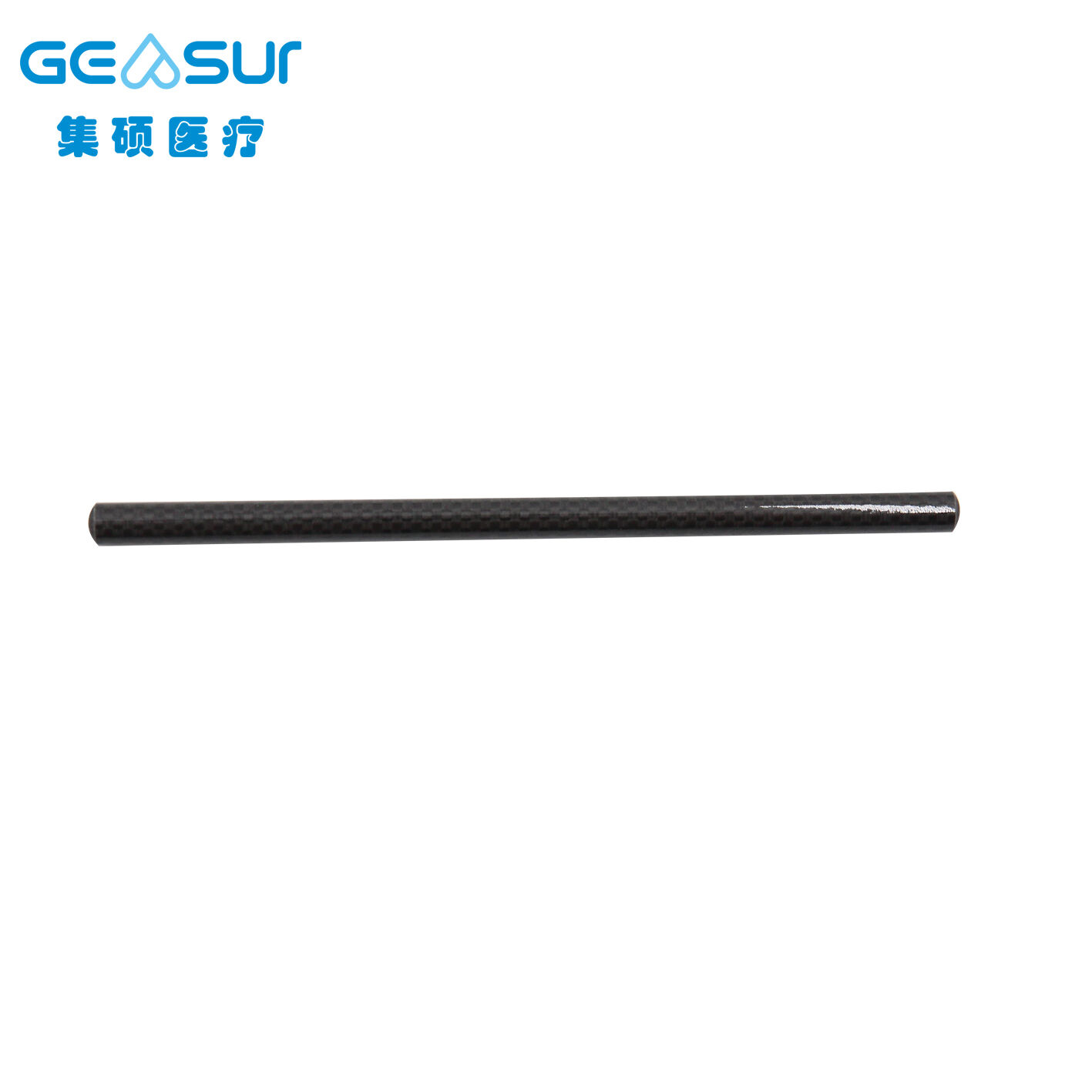
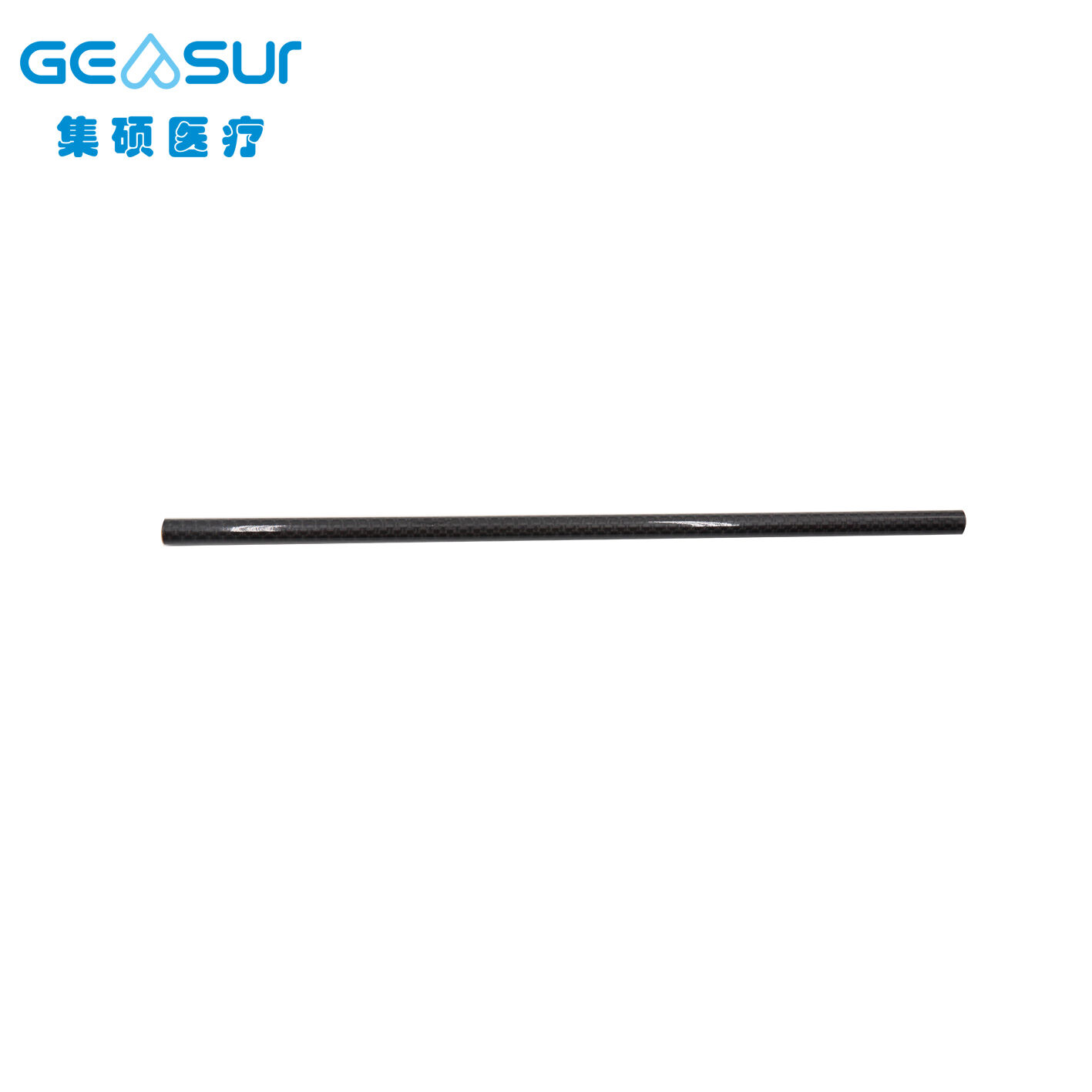
•Carbon fiber connecting rod is light and reliable.
•Color distinction, easy to identify and install.
•Top locking, easy to operate.
•Operating tools are simple and effective
•Single or multi-pin is implanted in parallel.
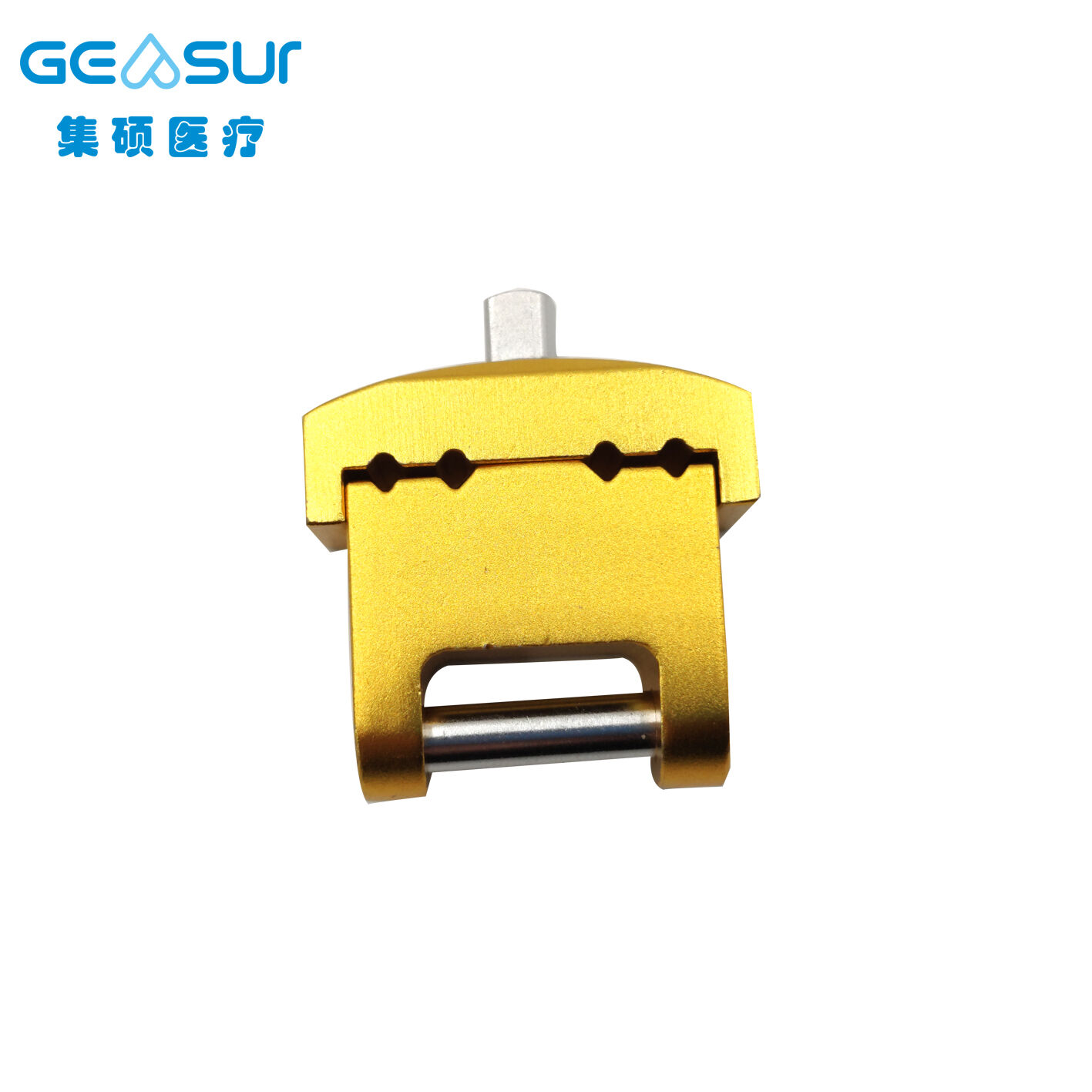
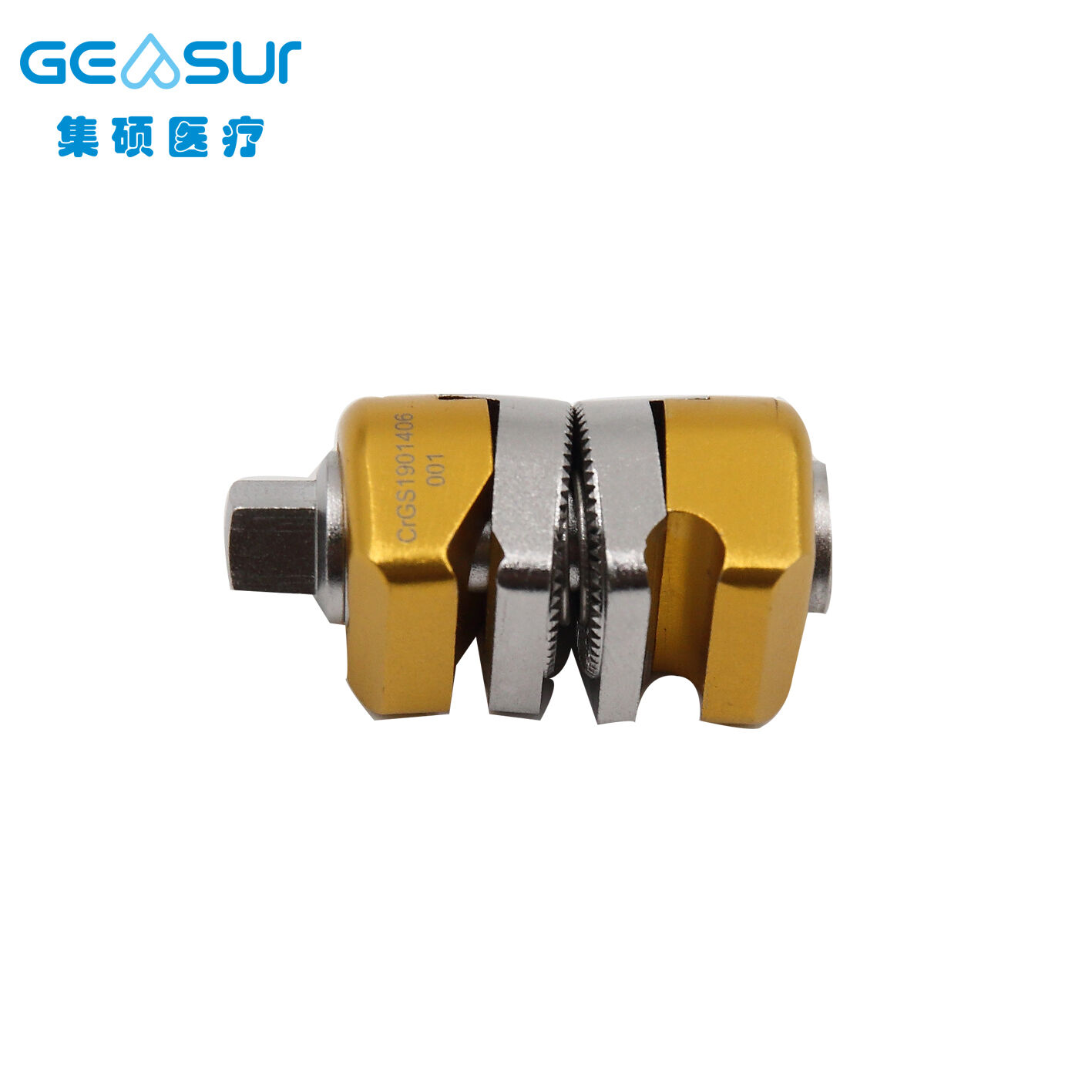
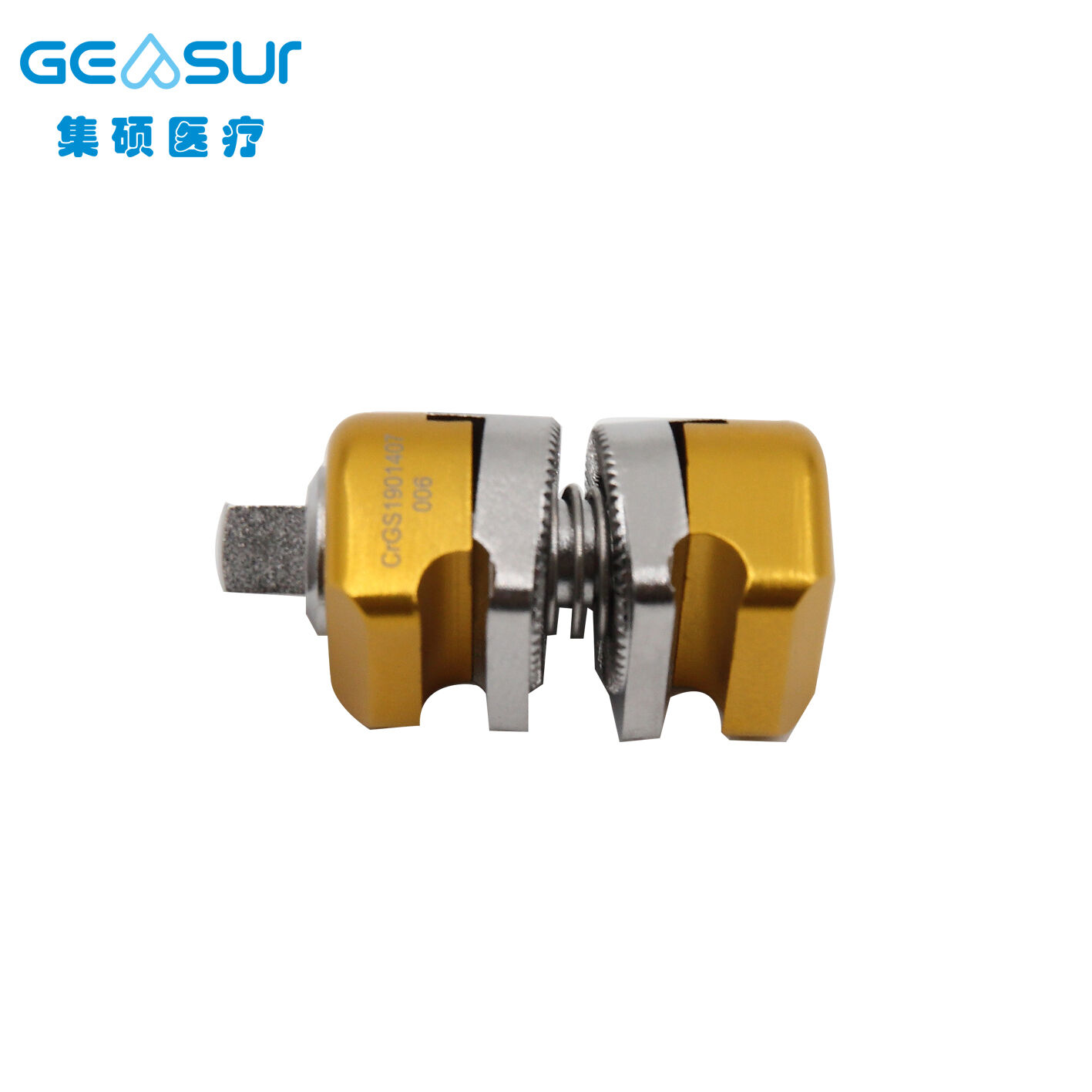
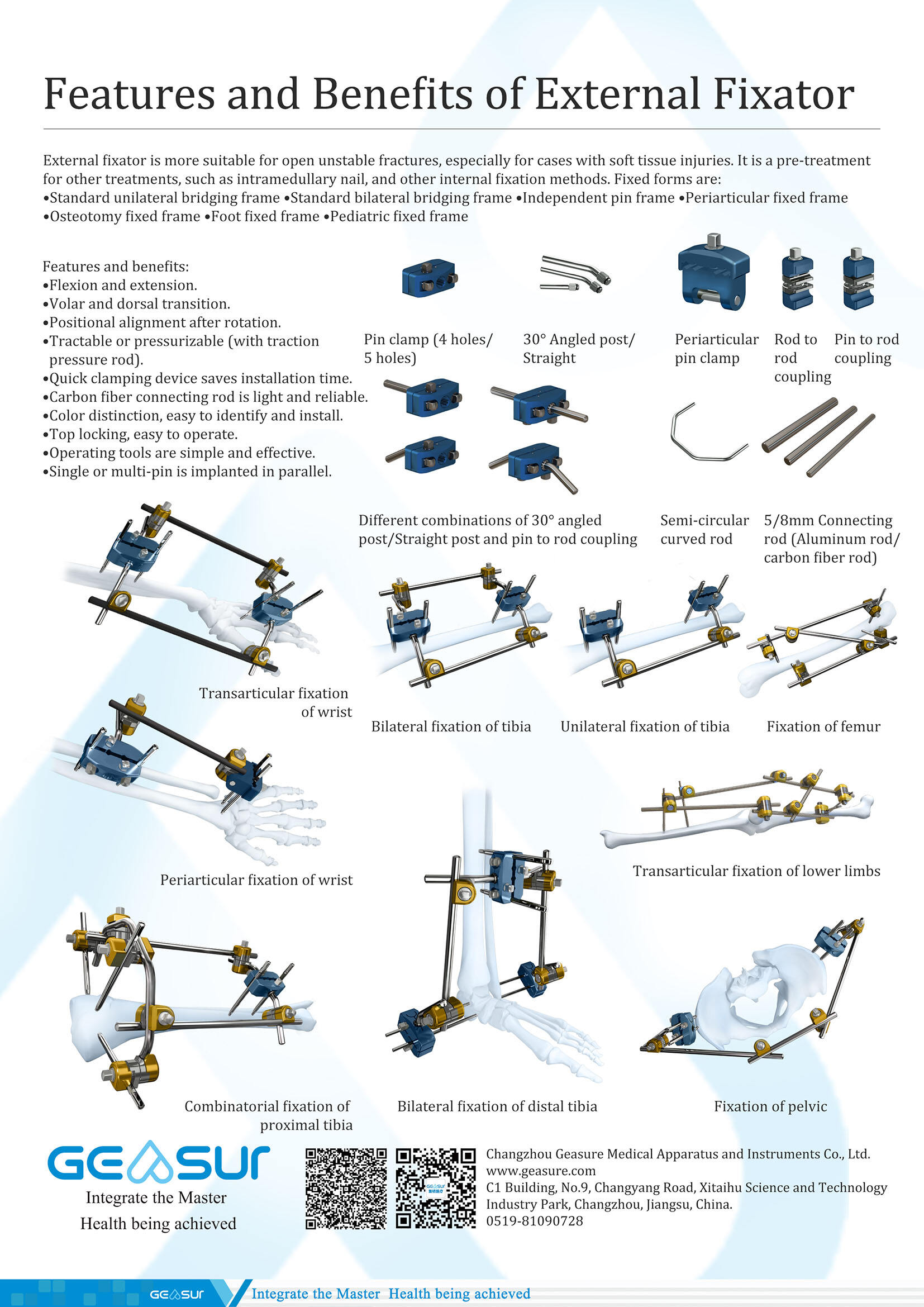
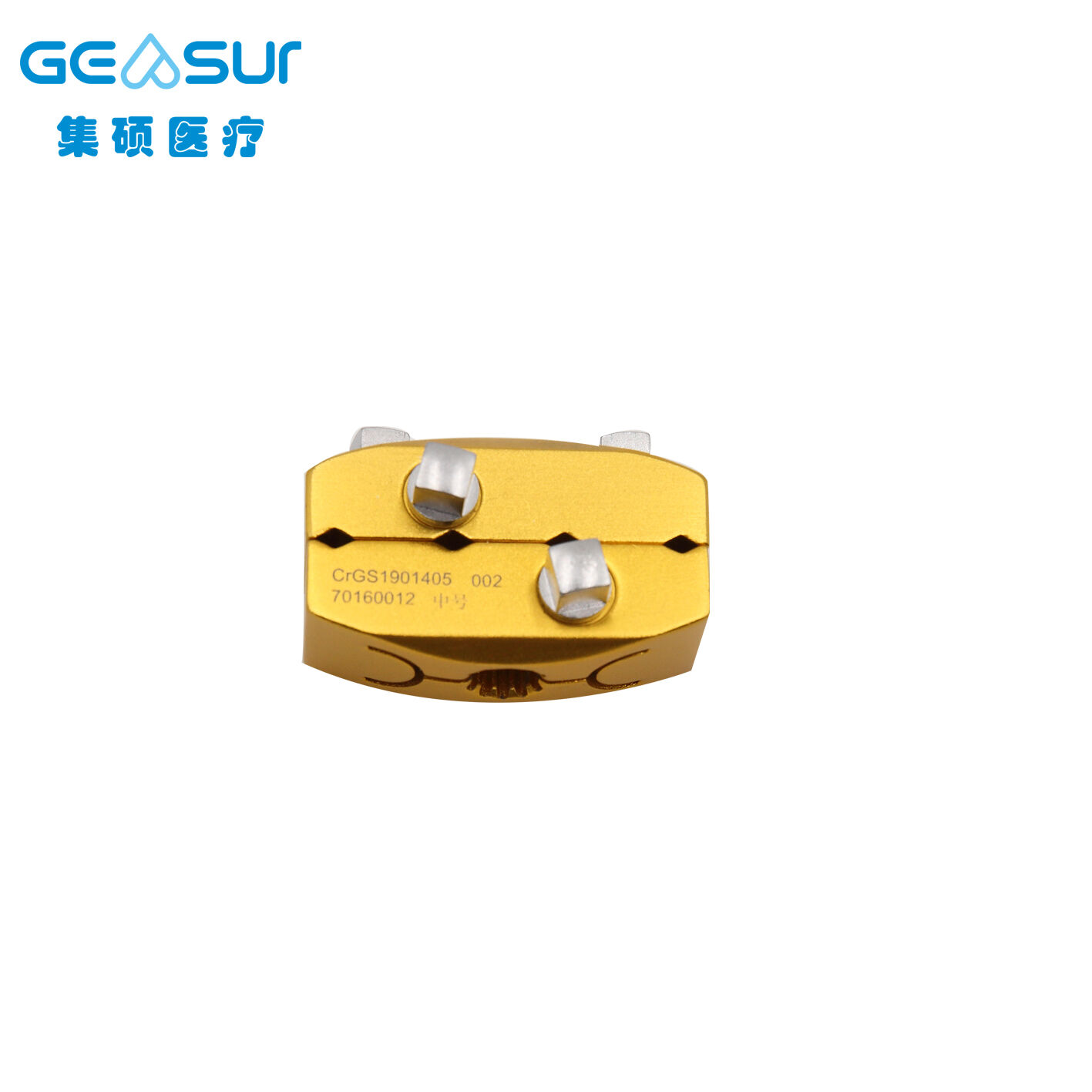
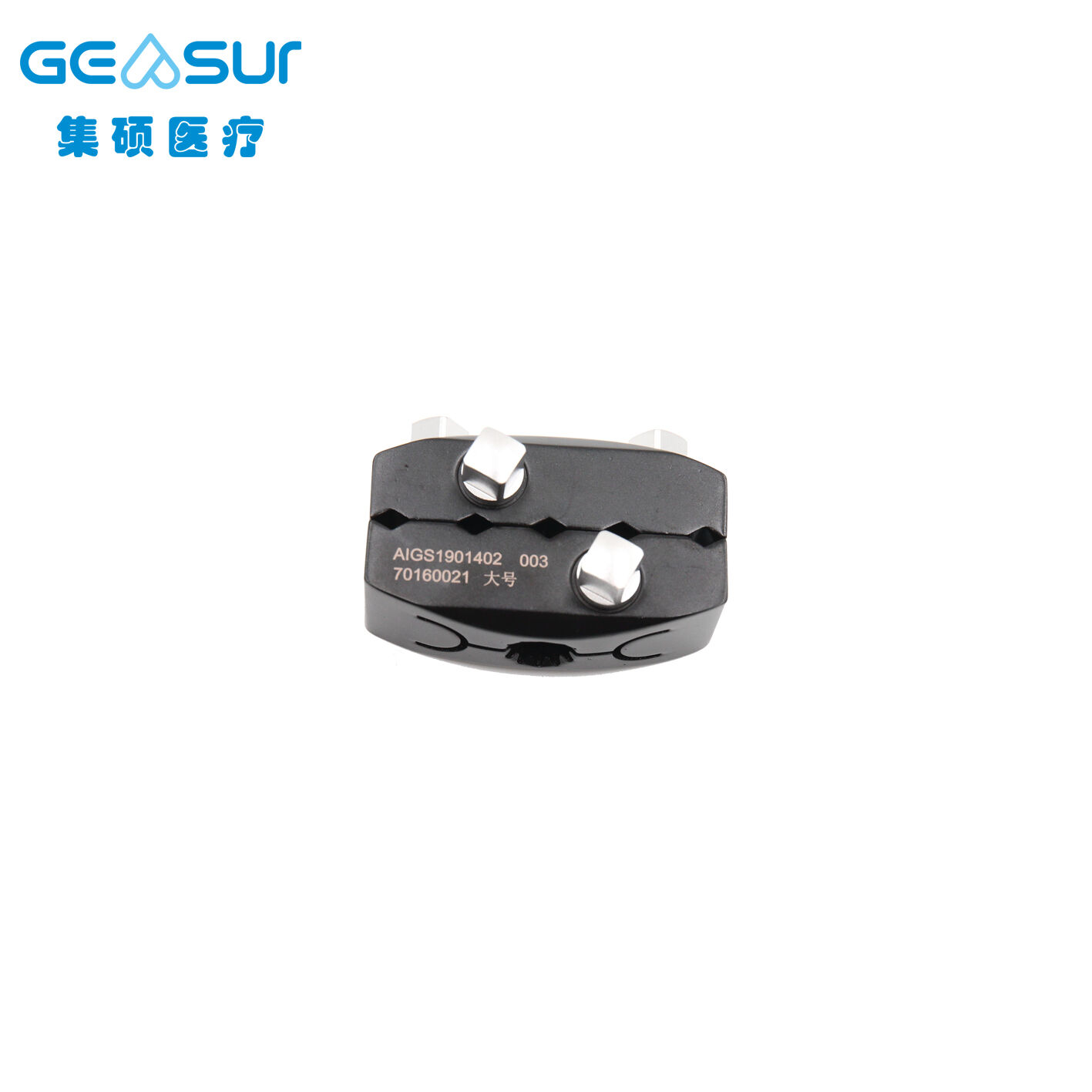
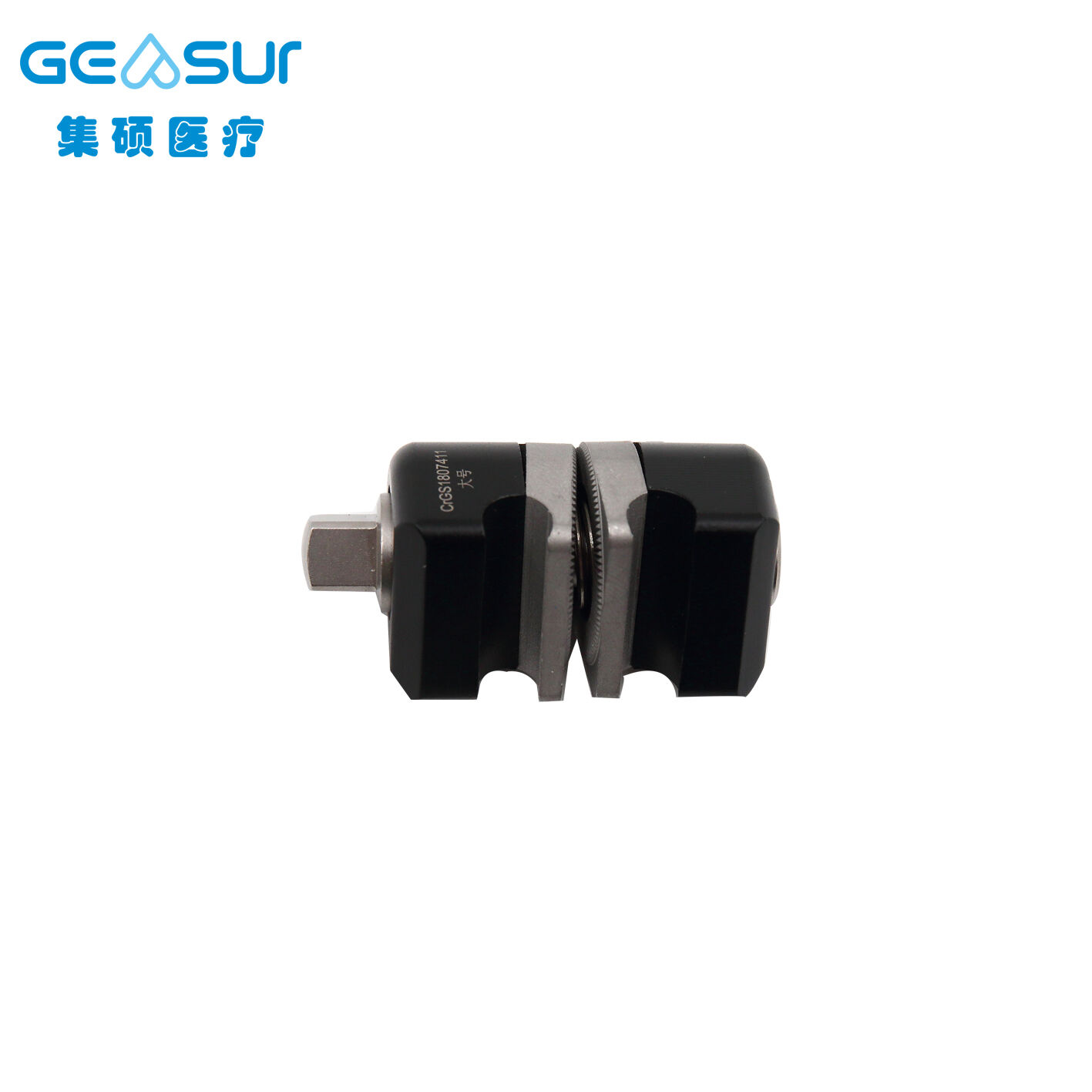
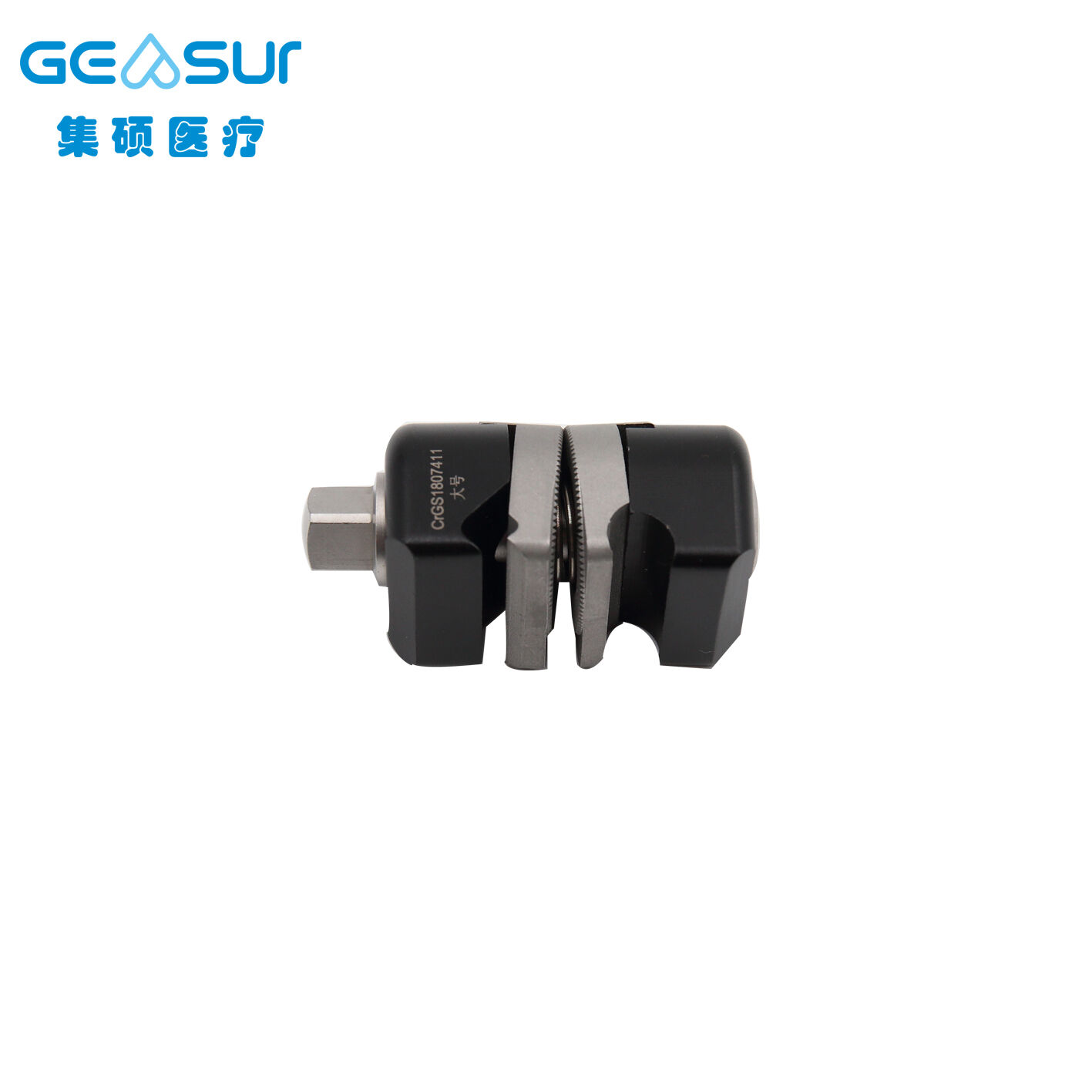
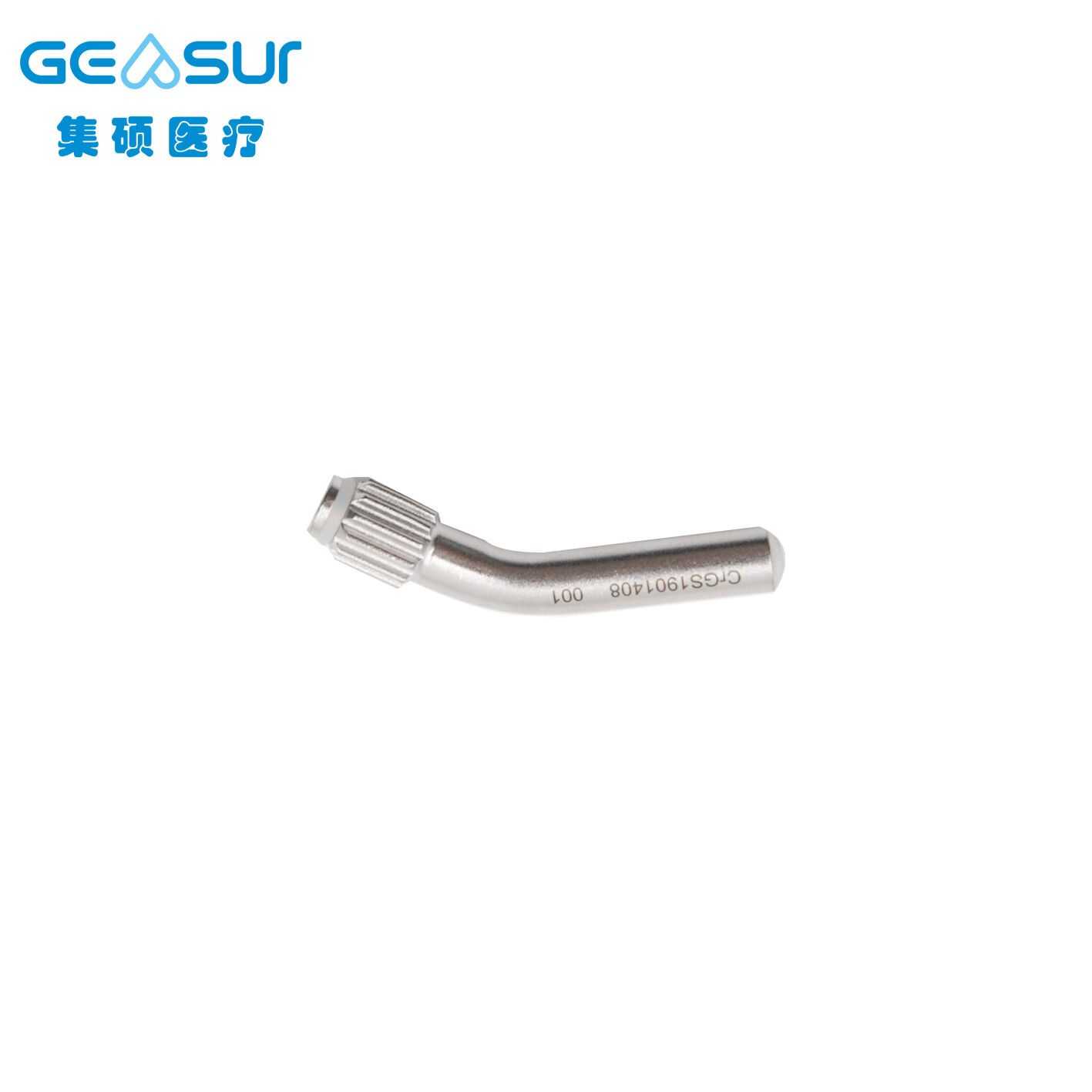
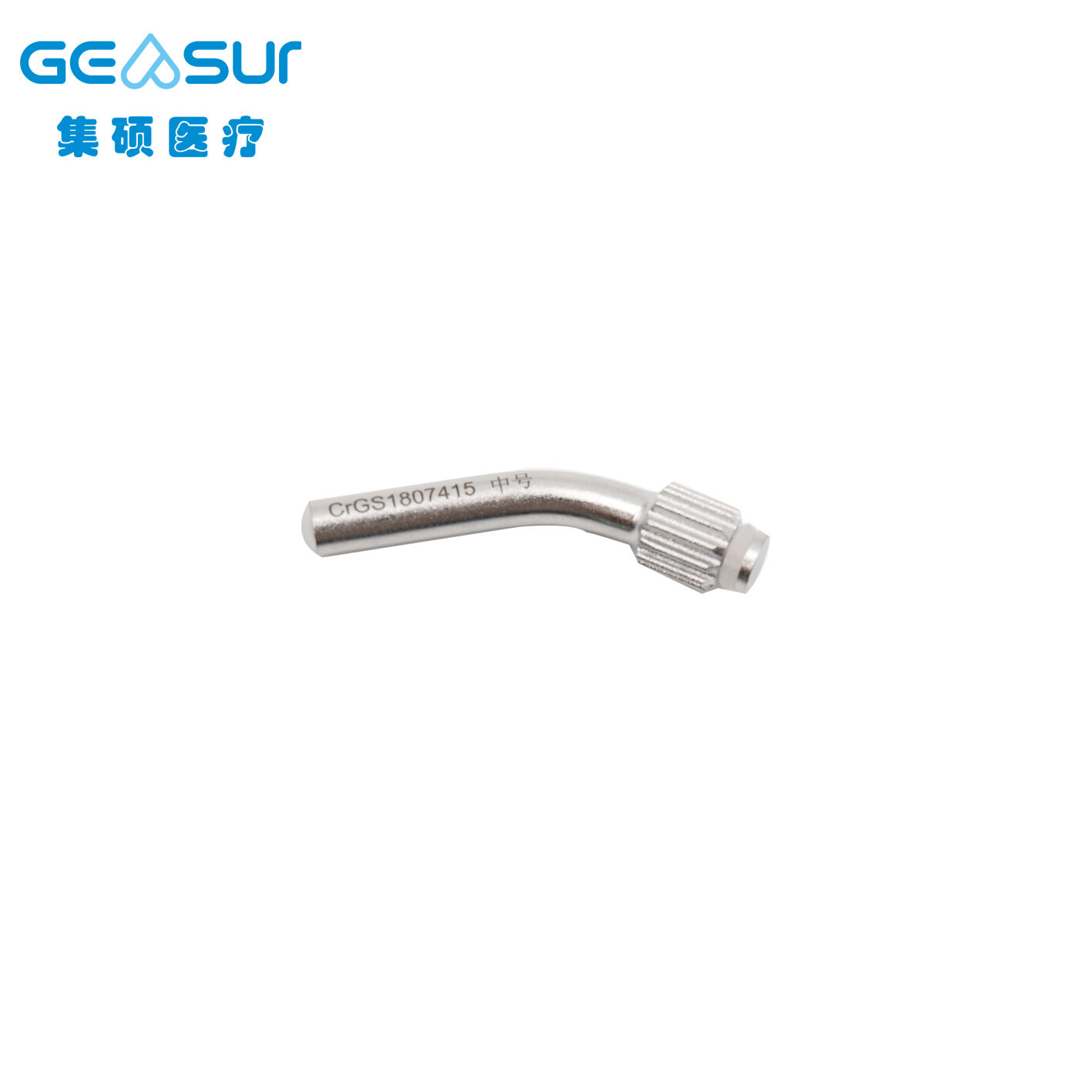
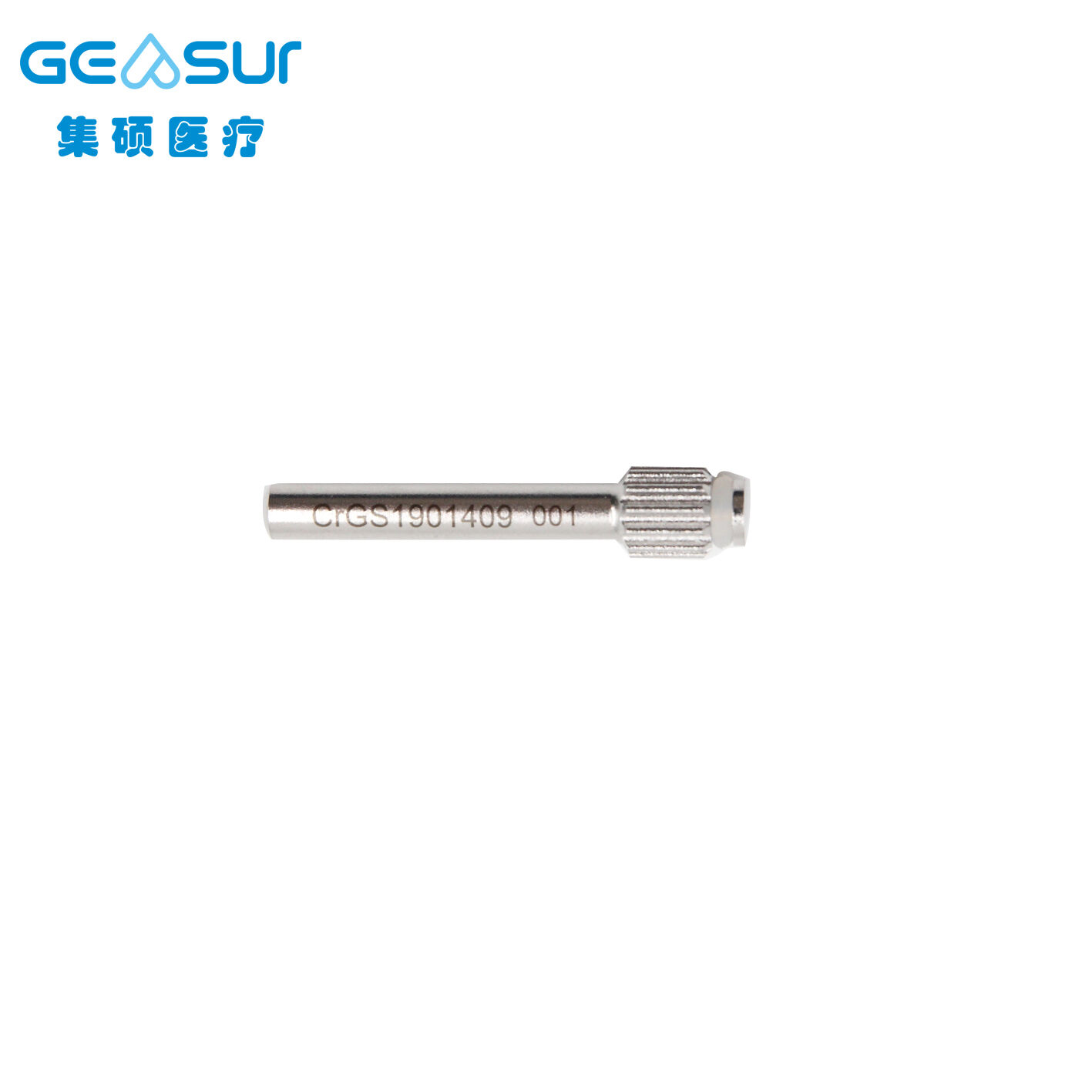
Pin clamp (4 holes/ 5 holes) 30° Angled post/ Straight Periarticular pin clamp Rod to rod coupling Pin to rod coupling
Different combinations of 30° angled post/Straight post and pin to rod coupling Semi-circular curved rod 5/8mm Connecting rod (Aluminum rod/ carbon fiber rod)
Transarticular fixation of wrist Bilateral fixation of tibia Unilateral fixation of tibia Fixation of femur
Periarticular fixation of wrist Transarticular fixation of lower limbs
Combinatorial fixation of proximal tibia Bilateral fixation of distal tibia Fixation of pelvic
Integrate the Master Health being achieved
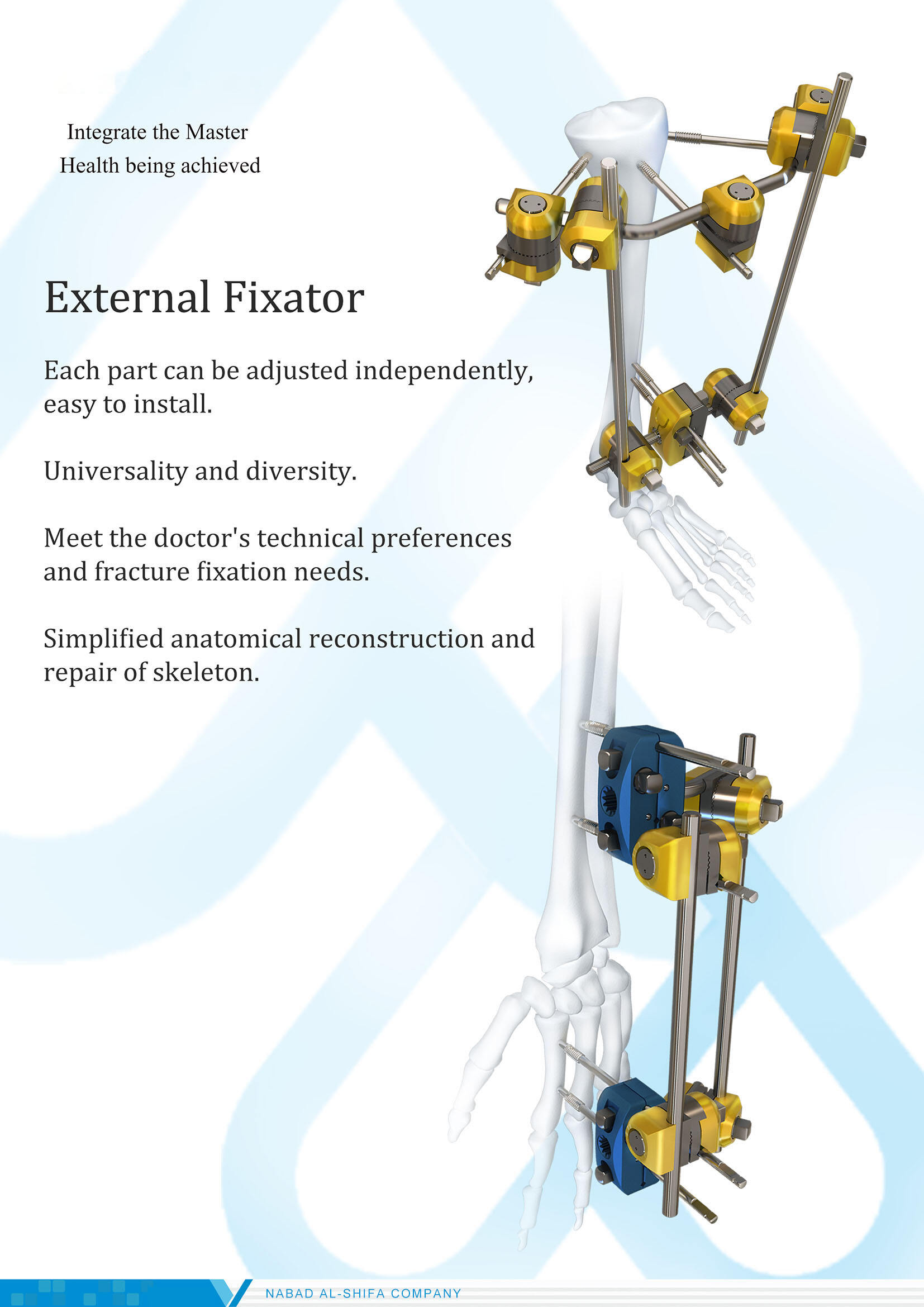
External Fixator
Each part can be adjusted independently, easy to install.
Universality and diversity.
Meet the doctor's technical preferences and fracture fixation needs.
Simplified anatomical reconstruction and repair of skeleton.
NABAD AL-SHIFA COMPANY

 EN
EN