
 EN
EN



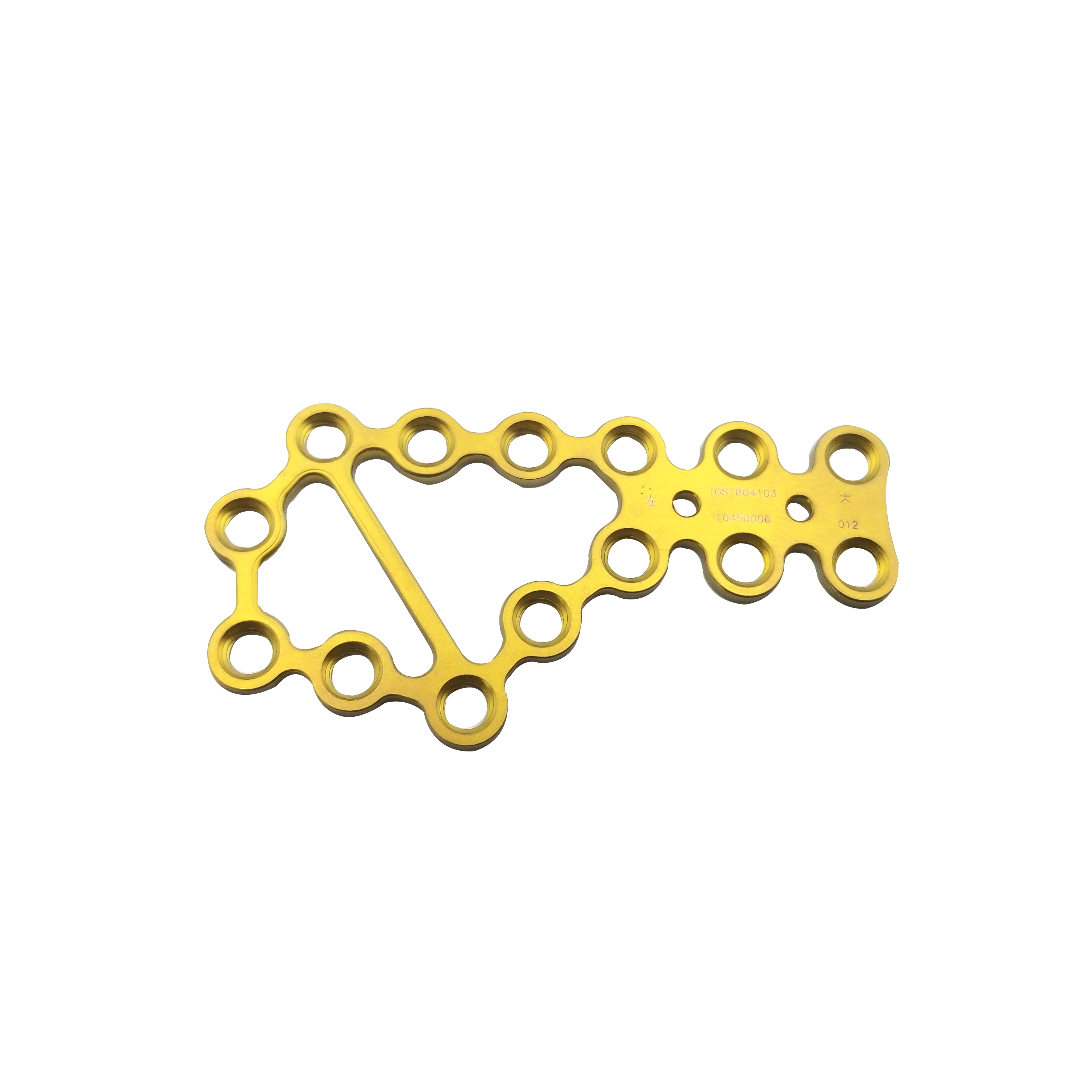
Geasure Calcaneal Сөөк Пластинкалары: Сөөк Сыныктарын Дарылоодогу Клиникалык Маселелерди Чечүү
I. Клиникалык Сценарийлер: Тыйнак Сыныктарын Дарылоодо Практикалык Кыйынчылыктар жана Зарылдаштар
(I) Тыйнак Сыныктарынын Өзгөчөлүгү жана Дарылоодогу Кыйынчылыктар
Инсандын денесинин негизги салмагын камтый турган бөлүгү болуп саналган табан сөөгү (calcaneus) туура эмес формага жана көп мөңгүл сөөккө ээ. Бирок, (мисалы, Sanders II-IV тиби) сынган учурда, анын оорушунун бир нече кыйынчылыктары пайда болот: бураманын бетинин так айкалышын башкара албаш, травматик артриттин пайда болушунун коркунучун калтырат; жапырт сыныктарды бекемдөө тургундуу эмес, операциядан кийин орун алмаштыруу мүмкүн; традициялык бекемдөө ыкмалары чоң кесилмелерди талап кылат, бул жумшак тканьдердин зыялануу жана инфекцияга чалдыгуу коркунучун көтөрөт. Дарыгерлер үчүн табан сөөгүнүн анатомиялык формасына ылайык келген жана туруктуу бекемдөөнү камсыз кылган аспаптар керек; пациенттер үчүн андан кийинки жүрүш функциясын тезирээк калыбына келтирүү жана узак мөөнөттүк ооруктарды азайтуу күтүлөт.
(II) Традициялык бекемдөө схемаларын жакшыртуу үчүн мейкиндик
Буга чейин клиникалык практикада кеңири колдонулган адаттагы сөөктүн пластинкалары негизинен стандартташтырылган долбоорлор болуп саналат, алар ар түрлүү пациенттердин топурак сөөгүнүн бокс жагынын бетине толук туура келбейт, бул фиксациялык түзүлүштүн күчтөрүнүн бирдей эмес таркалуусуна алып келүү мүмкүн; кээ бир сөөк пластинкаларында бир гана винт тесиги бар, бул чачыранды жарыкча сыныктарды туюк коюу үчүн татаал таасир этүүгө мүмкүндүк бербейт; эгер металл сөөк пластинасы менен сөөктүн ортосундагы механикалык уйгурулуштуулук начар болсо, бул стресс бошонуу кубулушун тудурат жана жарыкчанын туташуусун тосот. Бул маселелердин баарын чечүү үчүн топурак сөөгүнүн фиксациясына арналган иштеп чыгарылган, максаттуу инструменттер керек.
II. Geasure Medical: Ортопедиялык травматологияга арналган чечимдерди камсыз кылуучу компания
(I) Компаниянын орну: «Инструменттарды өндүрүү»дөн «Клиникалык маселелерге жооп берүү»гө
Geasure Medical — бул жөн гана ортопедиялык инструменттерди өндүрүүчү эмес, башкача айтканда, «клиникалык практикадагы чыныгы кыйынчылыктарды чечүүгө» багытталган инновациялык ишканадыр. Башкы офиси Чанжоу шаарындагы Батыш Тайху көлүнүн илимий-техникалык өнөрөп өсүшүнүн аймагында жайгашкан. Компания тирсак жана травматологиялык ортопедия боюнча жылдар бою техникалык тажрыйба жинаган. Анын негизги командасына тирсактын анатомиялык өзгөчөлүктөрүн жакшы билген клиникалык консультанттар жана импланттарды долбоорлоодо мамандашкан инженерлер кирет; изилдөө жана өндүрүштө «тирсак сыныгын фиксациялоону кантип так жана коопсуздукту камсыз кылган кылса болот?» деген суроого туруктуу көңүл бурат.
(II) Тирсактын кемик пластинкаларынын изилдөө жана өндүрүшүн колдогон үч негизги мүмкүнчүлүк
① Клиникалык биргэлешкэн изилдөө жана өндүрүш: Долбоордо хирургиялык реалдуулукка ылайыкташтыруу
Талаптарды издөө : Бир нече үчүнчү дәрэжелүү дарыгерлик учреждениелеринин ортопедиялык бөлүмдөрү менен биргэлешкэн иштейт, жүздөгөн тирсак сыныгына байланыштуу хирургиялык операцияларды жыйнайт жана үч негизги талапты аныктайт: «редукцияга жетектөө», «көптөгөн бөлүктөргө бөлүнгөн фрагменттердин фиксациясы» жана «минималды инвазивдүү имплантация»;
Дизайнды текшерүү аяктын токой сөйрөгүнүн (кальканеус) кылдырышынын ар бир ичке жана ичке оюгу 3D-басылган персоналдаштырылган кальканеус моделдеринде имплантациялоо үчүн симуляцияланат, бул тиешелүүлүктү жана операциялык колайлыкты камсыз кылат;
Талаптарга ылайыктуулук кепилдиги компаниянын бар болгон FDA 510(k) сертификатына (мисалы, тораколумбар-сакралдык пединкуляр винт системасы K222031), CE сертификатына жана ISO 13485 системасына таянып, кальканеус кылдырыштарынын илимий-изилдөө жана өндүрүшү бүткүл дүйнөлүк медициналык курал-жабдыктарга тагылган эрежелерге толук ылайык келет, бул клиникалык колдонудо коопсуздукту камсыз кылат.
② Так өндүрүш жана сапатын баалоо: Фиксациялык таасирди камсыз кылуунун негизи
Материалдарды тандоо медициналык титан кушурунун колдонулушу баштааңыз, бул күчтүүлүк менен биосовместимдүүлүктү тең салыштырат жана металл иондорунун чыгып кетүү рискин болтурбайт; остеопорозу бар пациенттер үчүн кээ бир моделдерде стресс-блокчулукту азайтуу үчүн сөйрөгүнүн ткандарына жакын эластичдүүлүк модулунда титан кушурунун материалдары колдонулат;
Процессти көзөмөлдөө беш осьтүү CNC прецизиялык иштетүү аркылуу сөөктүн тақтасынын ийилген бетинин чеги ±0,1 мм ичинде сакталат, ошондой эле винт тесигиnin орну топургунун анатомиялык бурчунда жайгашат; бети коррозияга каршы туруктуулукту жана остеоинтеграциялык үйлэшүүнү жакшыртуу үчүн аноддоо менен иштетилет;
Толук процесс боюнча тестирование даяр продукттар механикалык күч сыноолорун (мисалы, кесилүүгө жана ийилүүгө каршы туруктуулук) жана стерилдүүлүк сыноолорун өтүшү керек. Ар бир партиядан туш келди тандалган үлгүлөр «ин виво ортосун симуляциялоочу» туруктуулук сыноолорун өтүшү керек, бул өндүрүштүн кемчиликтеринен пайда болгон фиксациялык жараксыздыгын жок кылат.
③ Ийгиликтүү өндүрүш жана кызматтар: Түрлүү клиникалык талаптарга ылайыкташуу
Көп өлчөмдүү стандарттуу продукттар топургунун ар түрлүү өлчөмдөрү жана сынгылары үчүн сөөктүн тақтасынын моделдерин камтыйт, мисалы, башында жаткан сынгылар үчүн калыңданган түрлөр жана көп бурчтук винт тесиги бар түрлөр — буттун көп бөлүктүү сынгылары үчүн;
Жекешелендирүү колдоосу : Аяк башынын өсүшүнүн анатомиялык өзгөчөлүктөрү (мисалы, түндүк өсүштүн бузулушу) же татаал сынуктар үчүн пациенттин КТ маалыматына негизденип 72 саат ичинде жеке тилке түзүү жана кичинекей партияда өндүрүү менен жеке бекемдөө зарылдыктарын канааттандырууга болот;
OEM/ODM Кооперациясы : Колдонуучунун брендин өзгөртүүнү жана аймактардын клиникалык адаттарына жана рыноктук зарылдыктарына ылайыкташтыруу үчүн технологиялык процесске колдоо көрсөтүү;
III. Geasure Аяк Башынын Сыйрычын Тилкелери: Клиникалык Зарылдыктарды Канааттандырган Негизги Дизайн жана Маани
(I) Анатомиялык Ылайыкташуу Дизайны: Хирургиялык Травманы Азайтуу жана Бекемдөөнүн Тактыгын Жогорулатуу
① 3D Бионикалык Кыйылган Бет: Аяк Башынын Сыйрычынын Жанына Ылайыкташат
Сыйым аракетинин тегерек бети чоңдуктагы анатомиялык маалыматтарга негизделген 3D бионикалык долбоорду колдонот жана анын ички бети ашык чыгыштын сырткы кабыгынын формасына так ылайык келет. Операция учурунда көп бүгүү керек эмес, бул операциялык аралашууну жана периосттук зыянды азайтат жана операциядан кийинки инфекциянын коркунучун төмөндөтөт. Мисалы, ашык чыгыш аймагы үчүн чыгылчак долбоор сынган фрагменттерди так камтыйт жана бекемдөөдөн кийин алардын жылышын болгоно албайт.
② Түзөтүүгө жардам берүүчү конструкция: Хирургиялык операциянын кыйынчылыгын азайтуу
Белгилүү моделдерде врачтардын тез арада табан сөөгүнүн узундугун, туурасын жана Бёлер бурчун (табан сөөгүнүн негизги анатомиялык бурчу) калыбына келтирүүсүнө жардам берүү үчүн кичирээштөрдүн ордуна келтирилген оюктар жана бийиктикте орнуу белгилери бар. Бул ичке операцияда флюороскопиянын санын азайтат; башка тараптан, баш-табан булуңунун ичиндеги сыныктарга арналган сөөк пластинкаларында табан-асты булуңунун бетине перпендикуляр оюктар орнотулган, анда сынык бөлүктөрүн так бекитүү жана булуңдун тегиздигин калыбына келтирүү камсыз кылынат.
(II) Көп өлчөмдүү бекитүү механизми: Ар түрлүү сынык түрлөрүн чечүү
① Кулактандыруу жана басымдын эки функциясы
Сөөк пластинасында кулактандыруу винттары үчүн оюктар жана басым винттары үчүн оюктар бар: кулактандыруу винттары «бурчтук тургуунду» структураны түзүп, винттардын чыгып кетишин же шайкып кетишин болтурбайт; басым оюктары сыныктын учуна осьтук басымды колдонуп, сыныктын жабылып кетишин тездетет, бул жөнөкөй сыныктан чачыранган сыныкка чейинки ар түрлүү бекитүү талаптарына ылайык келет.
② Көптүктүү Бургулоо Чокуларынын Орношушу
Көптүктүү сынган учурда сөөк тегерек көптүктүү (мисалы, 0°, 15°, 30°) бургулоо чокулары менен иштелип чыгат, ал чачыранды көптүктүү сынган фрагменттер үчүн «тор сыяктуу бекемдөө» түзүп, жалпы туруктуулукту жакшыртат; тагананын туберозистик бекемдөө аймагы тагананын туберозистик фрагменттерине карата камтылууну күчөтүү үчүн калыңайтылган бургулоо чокуларын колдонот жана салмак өткөрүү талаптарына ылайык келет.
(III) Сценарийге ылайыкташтыруу: Таганадагы бардык сындарды камтыйт
① Артикулярдык Эмес Сындарга Ылайыкташтыруу
Sanders II-IV типтеги артикулярдык эмес сындар үчүн сөөк тегереги чыбыш беттин колдоо аймагын калыңайтып иштеп чыгылган, ал кыймылган артикулярдык беттердин бекемдөө күчүн күчөтүп, операциядан кийинги травматикалык артриттин коркунучун азайтат; колдоо кичине диаметрдүү бургулары чакан артикулярдык эмес сөөк фрагменттерин так бекемдөөгө мүмкүндүк берет жана сөөккө зыян келтирүүнү болгону келиңирээк кылат.
② Көптүктүү Сындарга Ылайыкташтыруу
Көп багыттуу блоктолгон винт + торчалуу тесик дизайндын аркасында көп сандаа жарылган сынык фрагменттерди тиимдүү түрдө бекитет; кээ бир моделдерде автологдуу, аллогендуу же жасалма сыйыктыкты толтурууга ыңгайлуу көмөкчү сыйыктык чөйрөсү бар, бул сыйыктыктын жетишпегендигин толтурууга жана бекитүүнүн туруктуулугун жакшыртууга мүмкүндүк берет.
③ Айрым топторго ыңгайлаштыруу
Остеопороз менен ооруган көп жаштагы пациенттер : Сыйыктык ткандарына басымды азайтуу үчүн төмөн профильдүү дизайн колдонулган; винт тесиктери кемиртке цемент кошулган винттарга ыңгайлаштырылган, бул бекитүүнүн таасирин жакшыртат;
Жаш пациенттер : Сыйыктыктын өсүшү үчүн орун сактоо жана топурак сыйыктыгынын өсүшүнө таасир этпеү үчүн жеңил титан кушуну тандоо.
IV. Geasure'дин «Толук циклдүү клиникалык колдоосу»: Инструменттерди жеткирүүдөн көбүрөөк
(I) Операциядан мурда: Схема планирлөө жана даярдык
Сыйыктыктын сыныгын классификациялоо жана кемиртке пластинкаларын тандау боюнча нускамаларды берүү, докторлорго сынык түрлөрүнө (мисалы, Sanders классификациясы) жараша ыңгайлуу продукттарды тандауга жардам берүү;
Медициналык мекемелер үчүн хирургиялык симуляциялык даярдоо түзүп, 3D басылган тыйнак сынгыны моделдерин колдонуп, кемиктин пластинкасын имплантациялоо жана винт менен бекитүү процессин көрсөтүп, дарыгерлердин иштөө дайындагы чебериңкистиктерин жакшыртуу.
(II) Операция учурунда: Техникалык жооп жана кепилдик
Ички өлкөдөгү операция : Кемиктин пластинкасын бүгүү жана винтти имплантациялоо сыяктуу операциялык суроолорго жооп берүү үчүн 24 саат ичинде жергилешкен же алыскөй техникалык колдоо көрсөтүү;
Чет өлкөдөгү операция : Байланыш аркылуу видеотүрдө убакыт ылдамдыгында жардам көрсөтүп, операциялар коопсуздук талаптарына ылайык болушун камсыз кылуу; эгер операция учурунда кемиктин пластина өлчөмдөрүн убактылуу өзгөртүү керек болсо, экстралык өндүрүш каналы ишке киргизилип, өнүмдөр тез арада кошумча камсыз кылынат.
(III) Операциядан кийин: Байкоо жана кепилдик кызмат көрсөтүү
Ооруканаларга операциядан кийинки 3-12 ай бою пациенттерди байкоого жардам кылып, сынгын ооруга дейинги кемиктин туташуусу жана кемиктин пластинасынын бекитүү таасирин баалоо боюнча маалымат жыйноо
Өмүрлүк кепилдикти сервис көрсөтүңүз. Сүйөктүн пластинкасына байланыштуу түзүлүштүк кыйынчылыктар адам фактору менен байланышпаган болсо, уникалдуу өнүмдүн коду аркылуу өндүрүш маалыматын издөөгө болот жана тез арада кайтарып коюуу же алмаштыруу иштери менен камсыздоого болот, клиникалык колдонудагы кайгылуулуктарды жок кылат.
V. Клиникалык колдонуунун реакциясы жана рынок таануусу
(I) Клиникалык практикалык натыйжалар
Кээ бир ынтымактуу ортопедиялык ооруканаларда Geasure чапалаш сүйөгүнүн пластиналарын операцияда колдонуудан кийинки маалыматтар өнүмдүн "түзөө тактыгы" жана "бекемдөө туруктуулугу" клиникалык күтүүлөрдү камсыз кылып турганын көрсөттү: операциядан кийинги байлам бетинин түзөлүшүнүн өтө жакшы деңгээли жана чапалаш сүйөктүн анатомиялык параметрлеринин түзөлүшүнүн ылайыктуулук деңгээли туруктуу деңгээлде; майынып сынган сүйөктөрү бар наарыкчылардын операциядан кийинки жылышуу деңгээли жана ички бекемдөөнүн жумшаруу деңгээли төмөн деңгээлде кармоого алынган, бул наарыкчыларга операциядан кийинки ириште үчүн эрте реабилитациялык даярдоону жүргүзүүгө жардам берет.
(II) Рынок жана индустриянын баасы
Базардын кыялымы бул продукт Кытайдын көп провинциялары жана шаарларындагы медициналык учреждениелерге кирген, анын ичинде Түштүк-Чыгыш Азия жана Европанын бир нече рыногуна ыңгайлуу каналдар аркылуу кирген; анын ылайыктуулугу жана коопсуздугу тарабынан башталгыч тануу алган;
Санатта Табылыш 2023-жылы Кытайдын ортопедиялык жана травматологиялык инструменттерин баалоосунда анын «анатомиялык ылайыктуулукка негизделген дизайн»ы өнөрөсү тарабынан көрсөтүлгөн, бул продукттун клиникалык маанисине тануу берилгенин көрсөтөт.
VI. Кийинки изилдөөлөр: Топурак сыйынышынын сыныгын фиксациялоо схемаларын туруктуу оптималдаштыруу
Geasure Medical мурдагы продукттарында токтобой, «тагы да минималдуу инвазивдүү, тагы да так жана тагы да ылайыктуу» максатында изилдөөлөрдү улантып келет:
- Минималдуу инвазивдик дизайн топурак сыйынышынын сыныгын перкутан минималдуу инвазивдүү имплантациялоо үчүн кемик пластинкаларын иштеп чыгуу — хирургиялык кесилүүлөрдү тагы да кичирейтүү жана лоскут некрозунын рискисин төмөндөтүү;
- Жакшыртылган биоактивдүүлүк : Остеопорозу бар наслаттар үчүн остеоинтеграция эффективдүүлүгүн жакшыртуу үчүн сүйөктүн пластинкаларынын бетине гидроксиапатит (HA) каптоонун полимердендирилишин изилдөө;
- Интеллектуалдуу кошумча технология : Бургу имплантациясынын тактыгын жакшыртуу үчүн хирургиялык навигация системаларын бириктирип, позиционерлүү белгилери бар тагандаш сүйөк пластиналарын иштеп чыгаруу; сынган учтагы фиксация стрессинин өзгөрүшүн реалдуу убакытта көзөмөлдөө үчүн микробасым датчиктерин киргизүүнү изилдөө жана операциядан кийинки реабилитация үчүн маалыматтык шилтеме берүү.
VII. Кооруну: Geasure тагандаш сүйөк пластиналарын тандоо – сынганы фиксациялоо боюнча «Керектөөгө ылайыктуу» сергекти тандоо
Geasure Medical компаниясынын токур башынын пластинкаларынын негизги баасы «клиникалык талаптарга негизделген» болуп саналат — токур башынын анатомиялык өзгөчөлүктөрүнөн баштап, так дизайн, так өндүрүш жана толук циклдүү кызмат көрсөтүү аркылуу токур башынын сыныгын дарылоого жогорку даражада ыңгычтуу жана коопсуздукту камсыз кылган фиксациялык схема сунуш кылат. Докторлор үчүн хирургиялык операцияларды жөнөкөйлөтүп, фиксациялык таасирди жакшыртуу же пациенттер үчүн операциядан кийинки оору-агын кыскартуу жана реабилитациялык циклди кыскартуу — Geasure компаниясы башка убакытта «сыйыктыктын түзүлүшүнө жардам берүү» максатын койот.
Мазмуну
- Geasure Calcaneal Сөөк Пластинкалары: Сөөк Сыныктарын Дарылоодогу Клиникалык Маселелерди Чечүү
- I. Клиникалык Сценарийлер: Тыйнак Сыныктарын Дарылоодо Практикалык Кыйынчылыктар жана Зарылдаштар
- II. Geasure Medical: Ортопедиялык травматологияга арналган чечимдерди камсыз кылуучу компания
- III. Geasure Аяк Башынын Сыйрычын Тилкелери: Клиникалык Зарылдыктарды Канааттандырган Негизги Дизайн жана Маани
- IV. Geasure'дин «Толук циклдүү клиникалык колдоосу»: Инструменттерди жеткирүүдөн көбүрөөк
- V. Клиникалык колдонуунун реакциясы жана рынок таануусу
- VI. Кийинки изилдөөлөр: Топурак сыйынышынын сыныгын фиксациялоо схемаларын туруктуу оптималдаштыруу
- VII. Кооруну: Geasure тагандаш сүйөк пластиналарын тандоо – сынганы фиксациялоо боюнча «Керектөөгө ылайыктуу» сергекти тандоо