



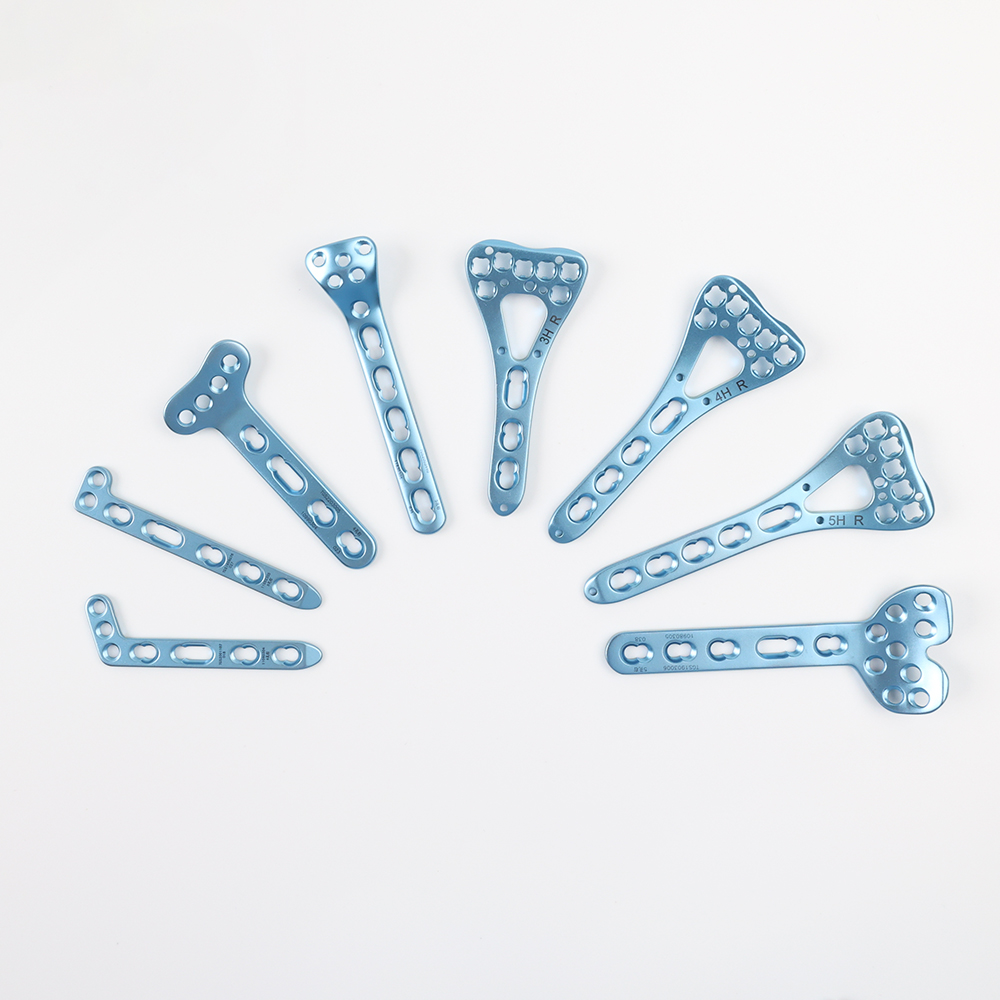
For orthopedic medical device distributors and private-label brands, working with the right manufacturing partner can open new product opportunities, support brand development, and simplify sourcing. However, choosing between OEM and ODM cooperation requires more than comparing manufacturing prices.
What is the difference between OEM and ODM for orthopedic implants? In general, OEM cooperation focuses on manufacturing products according to the buyer's defined designs or specifications, while ODM cooperation typically involves a manufacturer contributing more substantially to product design and development. The exact meaning of each model depends on the commercial agreement and project scope.
For orthopedic implants and surgical instruments, buyers must also consider design ownership, product verification, quality management, regulatory responsibilities, labeling, and long-term supply arrangements.
This guide explains how OEM and ODM cooperation works, how to choose the right model for your business, and what to confirm before starting a project with an orthopedic implant manufacturer.
1. What Is OEM in Orthopedic Medical Instruments?
OEM stands f1or Original Equipment Manufacturer. In an orthopedic medical device sourcing arrangement, OEM commonly refers to a manufacturer producing a product according to requirements, designs, or specifications agreed upon with a customer.
The customer may already have a product design, engineering drawings, a specification sheet, or an established product that needs a manufacturing partner.
Depending on the arrangement, the manufacturer may support production, process development, quality control, packaging, labeling, or other agreed activities.
When Is OEM Suitable for Orthopedic Distributors?
OEM cooperation may be suitable when:
Your company already has established product designs or detailed specifications.
You want to work with a manufacturing partner to produce an existing product configuration.
You need manufacturing support for a private-label product range.
You want to evaluate an alternative manufacturing source for an established product.
You require specific packaging, labeling, or product configurations.
For example, a distributor may have a defined set of orthopedic locking plates and screws and want a manufacturer to evaluate whether the specified products can be produced under an agreed quality and documentation framework.
The manufacturer would need to review the drawings, materials, dimensions, tolerances, production requirements, and other relevant specifications before confirming feasibility.
Important: OEM does not automatically mean that the buyer owns every design or that the manufacturer is responsible for every aspect of the product. Design ownership, manufacturing responsibilities, intellectual property rights, and regulatory obligations must be defined separately.
2. What Is ODM in Orthopedic Medical Instruments?
ODM stands for Original Design Manufacturer. In common commercial usage, ODM cooperation involves the manufacturer contributing more substantially to product design or development, rather than simply manufacturing to a customer-provided design.
Depending on the project, the manufacturer may help evaluate a concept, develop a proposed design, prepare prototypes, refine specifications, and support the transition toward production.
The amount of development work varies. Some projects may involve adapting an existing design, while others may require more extensive engineering and development activities.
When Is ODM Suitable for Orthopedic Distributors?
ODM may be worth considering when:
You have a product concept but do not have complete engineering drawings.
You want to develop a customized product for a particular market.
You need support evaluating proposed dimensions, configurations, or design requirements.
You want to expand your portfolio with a manufacturing partner's engineering input.
You need to assess the feasibility of a new product or a modification to an existing design.
For example, a medical device brand may want to explore a customized orthopedic implant configuration but need engineering support to assess its feasibility.
The project may involve requirements review, design development, prototype evaluation, verification and validation activities where applicable, and planning for production and regulatory documentation.
Not every requested modification will be technically or commercially feasible. The manufacturer should assess the proposal before either party commits to the development schedule or production arrangement.
3. OEM vs. ODM: What Are the Key Differences?
The following table summarizes the typical commercial distinction between the two models.
Evaluation factor | OEM cooperation | ODM cooperation |
|---|---|---|
Starting point | Buyer-provided design or defined specifications | Product concept, development brief, or requirements |
Design contribution | Primarily defined by the buyer, with agreed manufacturing input | Manufacturer contributes more substantially to design or development |
Engineering support | May focus on manufacturing feasibility and process requirements | May include design development, prototyping, and design refinement |
Buyer involvement | Defines and approves product requirements and acceptance criteria | Defines needs and participates in design reviews and approvals |
Initial information | Drawings, specifications, material requirements, and quality criteria | Product concept, intended use, target requirements, and development objectives |
Development activities | Depends on the level of process or product adaptation required | May require a broader development and evaluation process |
Intellectual property | Ownership and permitted use must be defined contractually | Ownership of background IP, new designs, and project-specific developments must be defined contractually |
Project cost | Depends on manufacturing scope, tooling, volumes, and requirements | May include additional development, tooling, and evaluation costs |
Time to production | Depends on design readiness and qualification requirements | Depends on development complexity and required verification or validation |
Regulatory responsibilities | Depend on each party's legal role and applicable regulations | Depend on each party's legal role and applicable regulations |
These are general commercial distinctions rather than fixed legal definitions. Some manufacturers offer hybrid arrangements that combine customer-provided designs with engineering support.
For medical devices, choosing an OEM or ODM arrangement does not by itself determine which company is the legal manufacturer or which party must fulfil particular regulatory obligations.
4. Which Cooperation Model Is Right for Your Business?
The most suitable model depends on how mature your product requirements are, how much development support you need, and how you plan to commercialize the product.
Choose OEM When Your Design Is Already Defined
OEM may be appropriate if your team has completed its design work and can provide a sufficiently detailed technical specification.
You should be able to identify the required materials, product dimensions, tolerances, critical interfaces, applicable performance requirements, and relevant documentation.
The manufacturer's role can then be evaluated against the agreed manufacturing scope.
Before proceeding, confirm that the proposed production processes can meet the requirements and that the quality and regulatory arrangements are appropriate for the product.
Consider ODM When You Need Engineering Input
ODM may be more appropriate if your project begins with a concept, incomplete drawings, or a requirement that needs further technical development.
In this case, you should define the intended product application, the problem you want to solve, required configurations, target market, expected volume, and project constraints.
The manufacturer can use this information to evaluate feasibility, identify missing requirements, and discuss potential development steps.
For orthopedic implants, design changes may affect product performance, risk management, verification, validation, manufacturing processes, and regulatory documentation. These activities should be planned according to the actual device and applicable requirements.
Consider a Hybrid Model When Requirements Are Partly Defined
Some projects fall between traditional OEM and ODM arrangements.
For example, a distributor may provide an existing product drawing but request changes to dimensions, packaging, or selected design features. The manufacturer may then provide a combination of manufacturing, engineering, and development support.
In these cases, avoid relying on the OEM or ODM label alone. Define the precise project scope, deliverables, responsibilities, and approval process in writing.
5. What Should Buyers Prepare Before Contacting a Manufacturer?
A clear initial brief helps the manufacturer understand the project and decide what information is needed for a technical and commercial evaluation.
You do not necessarily need a complete specification package at the first discussion. However, the more clearly you define the requirements, the easier it becomes to evaluate feasibility and identify potential gaps.
Product Requirements
Identify the product category, intended application, preferred product configuration, and required models or dimensions.
If available, provide engineering drawings, specification sheets, reference samples, or existing catalog information.
For orthopedic implants and surgical instruments, specify the critical interfaces and compatibility requirements rather than relying on product names alone.
Materials and Manufacturing Requirements
Provide the required material grades or specifications, surface finish requirements, dimensional tolerances, and any other relevant manufacturing criteria.
If you are unsure whether your proposed specifications are feasible, identify the requirements that are fixed and those that may be open to technical discussion.
Commercial Requirements
Clarify your anticipated order volume, target price range if available, sample requirements, launch expectations, and expected repeat demand.
Minimum order quantities, tooling costs, and lead times depend on product complexity, production requirements, and the proposed arrangement. They should be confirmed during project evaluation.
Target Market and Documentation
Identify the countries or regions where the products will be distributed.
Discuss which technical, quality, labeling, and regulatory documents may be required, and determine which party will be responsible for the relevant activities.
Branding and Packaging
If the products will be supplied under your brand, define the proposed brand ownership, labeling, packaging, artwork, language, and approval requirements.
These details should be addressed early because changes to labeling, packaging, or product identification may affect project planning and regulatory considerations.
6. How Does an Orthopedic OEM/ODM Project Typically Work?
A well-defined project process helps both parties manage technical questions, documentation, responsibilities, and production expectations.
The following stages represent a general workflow. The exact sequence and required evidence depend on the product and project scope.
Step 1: Requirement Submission
The buyer provides the product concept, drawings, samples, specifications, target market, and preliminary commercial requirements.
The parties clarify the intended cooperation model and identify any information that is missing.
Step 2: Technical Feasibility Assessment
The manufacturer reviews the proposed design and specifications to determine whether the requested product appears feasible within the available technical and manufacturing capabilities.
Questions about materials, tolerances, interfaces, manufacturing processes, quality requirements, and development scope should be identified at this stage.
The outcome may include clarification requests, proposed adjustments, a preliminary project scope, or a decision that further evaluation is necessary.
Step 3: Project Scope and Commercial Agreement
Before development begins, agree on deliverables, milestones, costs, responsibilities, confidentiality arrangements, and acceptance criteria.
Where applicable, define the ownership and permitted use of background intellectual property, new design work, drawings, tooling, and project records.
Also determine who will approve technical changes and how those changes will be documented.
Step 4: Design, Prototype, and Evaluation
If development or modification is required, the parties work through the agreed design and evaluation activities.
Depending on the device, this may involve design reviews, prototypes, dimensional assessments, testing, risk management, and verification or validation activities.
A prototype should not automatically be treated as a finished or market-ready medical device. The required evaluations and approvals depend on the product and its intended use.
Step 5: Documentation and Regulatory Planning
Identify the technical documentation, quality records, labeling, and regulatory activities required for the intended market.
Clarify the responsibilities of the parties and determine whether any additional evidence or regulatory submissions are needed before commercialization.
Step 6: Manufacturing Preparation and Production
Once the relevant requirements and approvals are in place, the manufacturer prepares the agreed production arrangements.
This may include process planning, inspection criteria, production documentation, packaging arrangements, and controls for future changes.
The actual production start should follow the agreed release conditions rather than an assumed timeline.
Step 7: Delivery and Ongoing Support
After the products have met the agreed release criteria, the parties coordinate packaging, documentation, shipment, and ongoing supply arrangements.
For long-term cooperation, define how complaints, nonconforming products, corrective actions, specification changes, and supply interruptions will be handled.
7. Intellectual Property, Confidentiality, and Regulatory Responsibilities
These matters deserve special attention in medical device OEM/ODM projects because a commercial agreement alone may not determine all legal obligations.
Intellectual Property Ownership
Before sharing detailed drawings or starting development work, establish which intellectual property each party already owns and what rights will apply to new project outputs.
The agreement should address, as appropriate:
Ownership of existing designs, drawings, trademarks, and technical information.
Ownership or permitted use of project-specific design modifications.
Rights to use tooling, prototypes, and manufacturing documentation.
Restrictions on disclosure, reproduction, and use outside the agreed project.
Treatment of improvements or developments made during the cooperation.
A confidentiality agreement or non-disclosure agreement (NDA) may be useful when exchanging sensitive technical or commercial information. However, an NDA does not by itself resolve design ownership, licensing, or all intellectual property issues.
Regulatory Roles and Responsibilities
Medical device regulatory responsibilities depend on the applicable regulations and the legal roles of the parties, not solely on whether a project is described as OEM or ODM.
For example, under the EU Medical Device Regulation, manufacturers, authorized representatives, importers, distributors, and other economic operators have different responsibilities. A business placing a device on the market under its own name may have obligations that need to be assessed separately from those of the production facility.
In the United States, parties should likewise identify their applicable regulatory responsibilities for the device, including relevant quality system, labeling, registration, listing, and market access requirements.
Before commercialization, agree who will handle each required activity and obtain appropriate regulatory advice for the intended markets.
Official references:
8. How to Compare OEM/ODM Manufacturers
Comparing potential manufacturing partners only by unit price can overlook important differences in project capability and responsibility.
Use a consistent evaluation framework before selecting a supplier.
Evaluation area | Questions to ask |
|---|---|
Product experience | Does the supplier have relevant experience with the product category and manufacturing processes? |
Engineering support | Can the team assess your drawings, samples, specifications, or product concept? |
Quality management | Can the manufacturer explain the applicable quality processes, controls, and records? |
Documentation | Which technical, quality, and regulatory documents are available or required? |
Customization | What changes can be evaluated, and how are feasibility and scope determined? |
Intellectual property | Are design ownership, confidentiality, licensing, and tooling rights clearly addressed? |
Production planning | What are the expected minimum quantities, lead times, and production requirements? |
Communication | Are responsibilities, milestones, and approval procedures clearly defined? |
Long-term cooperation | How are product changes, quality issues, and continued supply managed? |
Request comparable proposals wherever possible. Make sure each supplier is quoting the same product scope, specifications, documentation requirements, quantities, packaging arrangements, and delivery assumptions.
A proposal with a lower unit price may not include the same engineering work, tooling, qualification activities, or documentation scope as another proposal.
9. Why Consider Geasure Medical for OEM/ODM Cooperation?
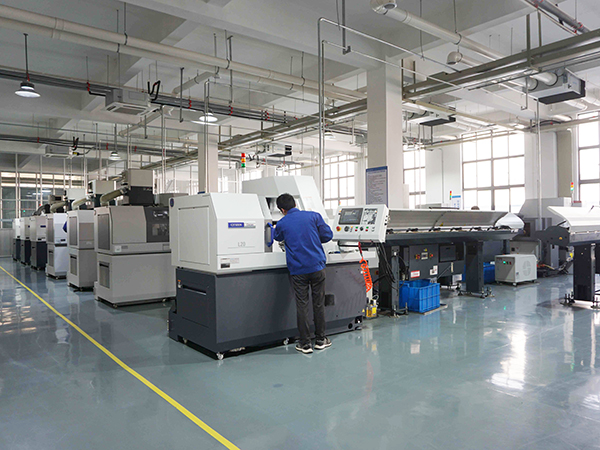
Geasure Medical provides orthopedic implants and surgical instruments for international medical device partners. Its product portfolio includes spine systems, intramedullary nails, locking plate systems, joint prostheses, sports medicine products, CMF/maxillofacial products, external fixation systems, and powered instruments.
For OEM/ODM inquiries, Geasure's website invites customers to share drawings, product samples, or specification sheets for an initial technical assessment. The scope of customization, development activities, required documentation, and commercial arrangements can then be discussed according to the proposed project.
Depending on the product and project requirements, discussions may cover:
Review of existing drawings, specifications, or samples.
Technical feasibility and potential design adjustments.
Custom product configurations and agreed branding requirements.
Manufacturing and inspection arrangements.
Applicable documentation and project responsibilities.
You can explore Geasure's Spine System and Locking Plate System pages to review examples of its product portfolio.
To learn more about customization and project submission, visit the OEM/ODM and Free Sample page.
Actual project feasibility, development timelines, tooling requirements, regulatory documentation, and production terms should be confirmed after review of the specific requirements.
Ready to Discuss Your OEM/ODM Orthopedic Project?
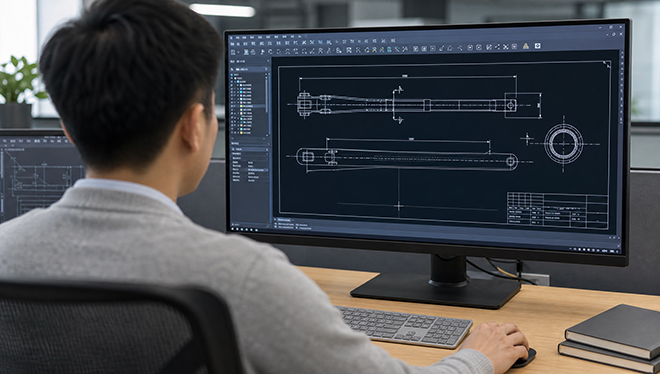
Whether you already have a complete design or are exploring a new product concept, a clear project brief is the best starting point.
When contacting Geasure Medical, please include the following information where available:
Product category: Spine, trauma, joint reconstruction, sports medicine, CMF, or another product area.
Project type: OEM manufacturing, ODM development, private labeling, or customization of an existing product.
Technical information: Drawings, sample photographs, specifications, dimensions, and material requirements.
Target market: The country or region where the device is intended to be distributed.
Estimated quantity: Initial order requirements and expected ongoing demand.
Documentation needs: Applicable technical, quality, labeling, and regulatory requirements.
Project expectations: Target launch date, budget range if available, and other key constraints.
Discuss Your OEM/ODM Project with Geasure Medical
You can also contact our team to discuss product sourcing, technical requirements, and potential cooperation.
Frequently Asked Questions
What is the main difference between OEM and ODM for orthopedic implants?
OEM commonly involves manufacturing to buyer-defined designs or specifications. ODM generally involves more substantial manufacturer participation in product design and development. The precise scope depends on the agreement and should be documented clearly.
Which is better for a medical device distributor, OEM or ODM?
OEM may suit distributors with established designs and specifications. ODM may be worth considering when a distributor needs additional design and development support. The right model depends on product maturity, technical resources, project requirements, and regulatory responsibilities.
Can an orthopedic implant manufacturer customize existing products?
Some manufacturers offer customization or engineering support, but feasibility depends on the product, proposed changes, manufacturing capabilities, and applicable requirements. Buyers should submit specifications or drawings for a preliminary assessment.
What information should I provide for an OEM quotation?
Provide the product category, drawings or specifications where available, required materials and dimensions, anticipated quantity, target market, packaging needs, documentation requirements, and requested delivery arrangements.
Does ODM mean the manufacturer owns the product design?
Not necessarily. Design ownership and usage rights depend on the existing intellectual property, the development arrangement, and the contract. The agreement should clearly address existing designs, new developments, licensing, and related rights.
Who is responsible for regulatory compliance in an OEM/ODM medical device project?
Responsibilities depend on the applicable regulations and the legal roles of each party. Contractual responsibilities should be defined clearly, but a commercial agreement does not automatically eliminate obligations imposed by applicable law.
Can Geasure Medical support private-label orthopedic products?
Geasure's website describes OEM/ODM and customization support for projects within its product scope. The available options, documentation requirements, feasibility, and commercial terms should be confirmed for the specific product.
This article provides general business and sourcing information. It is not legal or regulatory advice. OEM/ODM terminology, intellectual property rights, and medical device obligations should be reviewed in the context of the specific agreement, product, and target market.
Related Blogs
-
 Choosing the right orthopedic implant manufacturer is an important decision for medical device distributors, importers, and private-label brands. Product quality, regulatory documentation, manufacturing consistency, and long-term supply reliability can all influence the success of a distribution par


