
 EN
EN



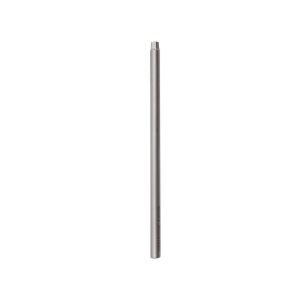
Geasure Spinal Rods with Titanium Alloy Material: Ensuring Biocompatibility and Long-Term Stability
In the complex field of spinal surgery, the materials used for internal fixation are as critical as the surgical technique itself. When correcting spinal deformities or stabilizing fractures, the hardware must act as a bridge between mechanical rigidity and biological harmony. Among the various solutions available, the Geasure spinal rod with titanium alloy material has emerged as a gold standard, specifically engineered to provide the high-strength support required for the human column while ensuring the highest levels of biocompatibility.
The integration of advanced metallurgy with orthopedic design allows these rods to function effectively within the demanding environment of the human body, where they must withstand millions of loading cycles without causing adverse physiological reactions.
1. The Importance of Biocompatibility in Spinal Implants
Biocompatibility is the ability of a material to perform with an appropriate host response in a specific application. For a spinal implant, this means the material must not be toxic, must not cause inflammatory or allergic reactions, and must not interfere with the natural healing process of the surrounding bone and soft tissue.
Why Titanium Alloy is the Preferred Choice
The Geasure spinal rod with titanium alloy material (specifically Ti6Al4V-ELI) is chosen for its unique surface chemistry. When titanium is exposed to oxygen, it instantaneously forms a stable, continuous, and tenacious oxide layer (TiO₂). This "passive" layer is what makes titanium exceptionally biocompatible:
-
Corrosion Resistance: The oxide layer prevents the release of metallic ions into the body, which can otherwise lead to local tissue irritation or systemic toxicity.
-
Osseointegration: Titanium is one of the few materials that allow for "osseointegration," where the bone can actually grow into close proximity with the metal surface, creating a more stable interface over time.
-
Reduced Allergic Response: Compared to stainless steel, which contains nickel, titanium alloys are significantly less likely to trigger hypersensitivity reactions in patients.
2. Mechanical Excellence: Balancing Strength and Flexibility
While biocompatibility ensures the body accepts the implant, the mechanical properties of the Geasure spinal rod with titanium alloy material ensure the implant can actually do its job.
The Modulus of Elasticity
One of the most significant advantages of titanium alloy over other metals like cobalt-chrome or stainless steel is its modulus of elasticity. Titanium's modulus is much closer to that of human cortical bone.
-
Stress Shielding Prevention: If a rod is too stiff, it carries all the mechanical load, and the surrounding bone—starved of the stress it needs to stay healthy (Wolff’s Law)—may weaken or resorb. Because titanium is more flexible, it allows for a more natural distribution of weight, encouraging the bone to remain strong and participate in the fusion process.
-
Fatigue Resistance: Spinal rods are subjected to constant stress from walking, bending, and breathing. Geasure’s titanium rods are engineered to withstand millions of these cycles without cracking or failing, ensuring stability until a solid bone fusion is achieved.
3. Advanced Features of Geasure Spinal Rods
The Geasure spinal rod with titanium alloy material is not just a simple metal stick; it is a precision-engineered medical device designed for ease of use in the operating room and optimal performance in the patient.
Surface Treatment and Finish
The surface of the Geasure rod undergoes specialized treatments to enhance its performance. A smooth, polished finish reduces the friction between the rod and the screw heads (pedicle screws), which is vital during "rod reduction" maneuvers in scoliosis surgery. This prevents the "notching" of the metal, which could otherwise become a site for future fatigue failure.
MRI and CT Compatibility
One of the major concerns for spinal patients is the need for follow-up imaging. Titanium is a non-ferromagnetic material.
-
Reduced Artifacts: Unlike stainless steel, which creates large "black holes" or distortions on MRI and CT scans, titanium produces significantly fewer artifacts. This allows radiologists and surgeons to clearly visualize the nerves, spinal cord, and the progress of the bone fusion during postoperative check-ups.
4. Clinical Applications in Spinal Reconstruction
The versatility of the Geasure spinal rod with titanium alloy material makes it suitable for a wide range of surgical indications:
-
Degenerative Disc Disease: Providing stability after a discectomy to prevent further collapse of the vertebral space.
-
Spinal Deformity (Scoliosis/Kyphosis): Acting as the primary tool for realigning the spine into a healthy coronal and sagittal balance.
-
Trauma and Fracture Fixation: Holding fractured vertebrae in the correct position to protect the spinal cord and allow for healing.
-
Tumor Resection: Stabilizing the spine after a portion of the bone has been removed due to oncology.
5. Why Geasure Standards Matter
In the manufacture of spinal implants, precision is the difference between a successful surgery and a revision. Geasure maintains strict adherence to international quality standards:
-
Material Purity: Ensuring the titanium alloy is "Extra Low Interstitial" (ELI) grade, which offers higher ductility and toughness than standard grades.
-
Traceability: Every Geasure spinal rod with titanium alloy material can be traced back to its original melt record, ensuring that surgeons are using a product that meets global safety benchmarks (ISO 13485 and CE).
-
Anatomical Variety: Geasure provides rods in various diameters (typically 5.5mm and 6.0mm) to accommodate different patient sizes, from adolescents to large adults.
6. Conclusion: The Foundation of Patient Recovery
The ultimate goal of any spinal surgery is to restore the patient's quality of life and mobility. The Geasure spinal rod with titanium alloy material serves as the foundation of this recovery. By combining the natural biocompatibility of titanium with the mechanical strength required for spinal stabilization, these rods provide a reliable environment for bone fusion to occur.
For the surgeon, it offers a material that is easy to contour and manipulate during surgery. For the patient, it offers a permanent, silent guardian that supports their spine while remaining in perfect harmony with their body’s biological systems.
Table of Contents
- Geasure Spinal Rods with Titanium Alloy Material: Ensuring Biocompatibility and Long-Term Stability
- 1. The Importance of Biocompatibility in Spinal Implants
- 2. Mechanical Excellence: Balancing Strength and Flexibility
- 3. Advanced Features of Geasure Spinal Rods
- 4. Clinical Applications in Spinal Reconstruction
- 5. Why Geasure Standards Matter
- 6. Conclusion: The Foundation of Patient Recovery