
 EN
EN



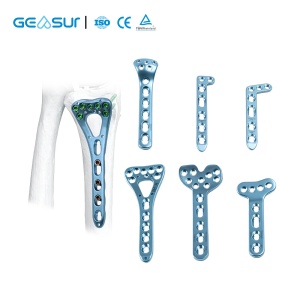
The Modern Standard for Distal Radius Management
Fractures of the distal radius are among the most frequent orthopedic injuries encountered in modern trauma care, yet they remain one of the most complex to treat with complete success. In the past, achieving and maintaining an anatomical reduction was often a struggle, frequently compromised by the inherent limitations of traditional, non-locking plating systems. Today, however, the widespread introduction and refinement of the radius locking plate for radius fracture have fundamentally shifted the landscape of distal radius management. These specialized medical devices are engineered to provide incredibly stable, internal fixation, allowing for the precise reconstruction of even the most complex fractures while maintaining an exceptionally low profile under the skin. For patients, this shift represents much more than just a successful bone union; it represents a significantly faster, more comfortable path to returning to work, sports, and all the essential activities of daily life that were previously hindered by injury.
The Biomechanical Advantage of Locking Systems
At the heart of every high-quality radius locking plate lies the fundamental principle of angular stability. Unlike older, traditional plates that rely solely on simple compression against the bone surface—a method that can occasionally lead to a total loss of reduction if the underlying bone quality is poor, osteoporotic, or highly comminuted—locking plates create a fixed-angle construct that is incredibly robust. By securing the screws directly and firmly into the plate itself, the entire implant functions as a single, rigid, and unified piece. This major biomechanical advantage is absolutely critical in maintaining the perfect reduction of the articular surface, effectively preventing the dreaded "settling" of bone fragments that historically led to malunion and chronic wrist pain. By efficiently distributing mechanical loads across the entire plate-screw interface, these advanced systems offer a level of stability that allows patients to initiate early, gentle range-of-motion exercises, which serves as the ultimate cornerstone for preventing long-term joint stiffness and functional loss.
Evidence-Based Outcomes for Faster Healing
The global medical community has consistently observed that early mobilization is the primary key to achieving a successful, full recovery in distal radius fractures. Clinical literature consistently supports the adoption of modern locking plate technology as it minimizes the absolute need for prolonged immobilization in heavy, restrictive external casts. When patients are empowered to start supervised physical therapy within just days of their surgery, the associated risks of chronic regional pain syndrome and painful tendon adhesions are drastically reduced. Surgeons utilizing these sophisticated systems frequently report that the ability to reliably secure even the most distal and tiny bone fragments allows for a much more anatomical restoration of the radiocarpal and distal radioulnar joints. This extreme accuracy in alignment is directly correlated with significantly better functional scores on standardized metrics like the DASH index, proving that technological precision in hardware leads to tangible, life-changing improvements in patient health and mobility.
Clinical Considerations in Anatomical Fitting
From the perspective of a deeply experienced surgeon, the true success of any plate fixation procedure depends heavily on how well the hardware conforms to the patient's specific, unique bone anatomy. The distal radius is a complex, three-dimensional structure; therefore, a radius locking plate must feature sophisticated, variable anatomical contouring to be effective. Modern plates are designed with a very low-profile footprint, specifically tapered at the edges to avoid any unnecessary impingement on the sensitive extensor tendons that run across the back of the wrist. This meticulous, sharp attention to detail during the initial design phase effectively prevents the common, frustrating complication of postoperative tenosynovitis. When a plate is designed to essentially "disappear" into the patient's anatomy, the surgeon achieves much more than just structural fixation—they achieve a level of biocompatibility that ensures the patient remains comfortable and pain-free long after the initial surgical trauma has fully healed.
Quality Engineering as the Foundation of Trust
The clinical efficacy of these implants is entirely dependent on the extreme rigor of the manufacturing process. A locking plate is a high-precision medical device that must maintain its structural integrity under significant, repetitive physiological stress every single day. Geasure has built a formidable, global reputation by mastering the complex engineering of orthopedic implants through state-of-the-art CNC manufacturing and comprehensive, multi-step material verification. Every single plate undergoes rigorous fatigue testing to ensure it can withstand the dynamic cycles of human movement over many years. By maintaining full, honest transparency throughout the supply chain and adhering strictly to global medical-grade standards, Geasure provides surgical teams with the absolute confidence that each implant will perform precisely as intended inside the human body. This deep dedication to manufacturing excellence ensures that hospitals and surgical centers can focus entirely on what matters most: successful surgical outcomes and the rapid, reliable recovery of every patient.
The Future of Wrist Reconstruction
As surgical techniques continue to advance and reach new frontiers, the demand for hardware that integrates seamlessly with human biology will only continue to rise. Radius locking plate technology is far more than a simple surgical tool; it is a long-term investment in the continued mobility and independence of the population. By choosing high-quality, anatomically designed hardware, medical institutions commit to a higher, more reliable standard of care for their community. Geasure remains at the absolute forefront of this mission, supporting dedicated orthopedic professionals worldwide with the precise, high-performance instrumentation required for modern, complex wrist reconstruction. With a firm, unwavering focus on technical reliability, manufacturing precision, and the ultimate goal of patient well-being, the standard of care for distal radius fractures continues to reach new, impressive heights, turning once-daunting injuries into predictable, successful recovery stories for everyone involved.