
 EN
EN



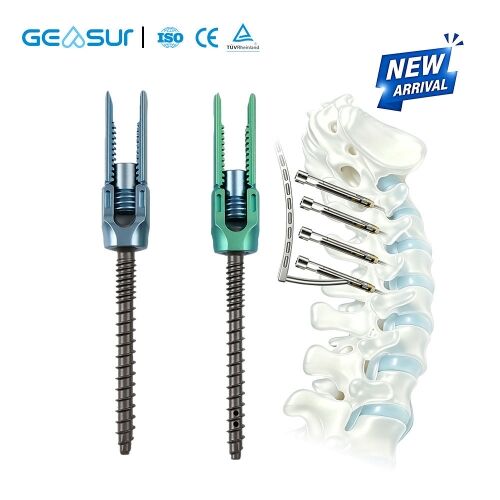
Skru pedikel yang diluluskan FDA menjalani ujian ketat untuk keselamatan dan keberkesanan. Pengilang terkemuka menggabungkan pengeluaran bersijil ISO, bahan canggih, dan sistem kualiti komprehensif untuk menyampaikan implan yang dipercayai pembedah bagi mencapai hasil optimum kepada pesakit.
Pengalaman: Mengapa Kelulusan Peraturan Penting di Bilik Pembedahan
Pada awal kerjaya saya memerhatikan prosedur tulang belakang, saya menyaksikan satu momen yang ditakuti setiap pembedah. Semasa fusi kompleks, sebatang skru pedikel terkoyak semasa pemasangan. Benang skru tersebut tidak dapat mencengkam dengan baik. Pembedah terpaksa membatalkan fiksasi pada tahap tersebut, sehingga menggugat keseluruhan struktur. Skru tersebut berasal daripada pengilang yang mempunyai pengawalseliaan peraturan yang sangat minimum—jenis pengilang yang mengambil jalan pintas dalam aspek kualiti untuk menawarkan harga yang lebih rendah.
Kes tersebut mengajar saya maksud sebenar kelulusan peraturan. Ia bukan sekadar dokumen rasmi. Ia merupakan perbezaan antara implan yang berfungsi secara konsisten dan implan yang gagal apabila pesakit paling memerlukannya. Beberapa tahun kemudian, apabila saya mula memberi khidmat nasihat kepada pasukan pembedahan mengenai pemilihan implan, pelajaran itu membentuk setiap cadangan yang saya buat: mulakan dengan status kelulusan peraturan, kemudian nilaikan semua faktor lain.
Seorang rakan pakar bedah saraf pernah merumuskan dengan sempurna: "Apabila saya membuka sebatang skru daripada pengilang yang disahkan, saya tidak risau sama ada skru itu akan dapat menahan beban. Tumpuan saya sepenuhnya tertumpu pada anatomi pesakit dan rancangan pembedahan. Keyakinan sedemikian tidak ternilai di dalam bilik pembedahan."
Keahlian: Sains di Sebalik Skru Pedikel yang Diluluskan FDA
Apakah yang Sebenarnya Diperlukan untuk Kelulusan FDA
Bagi peranti perubatan Kelas II seperti skru pedikel, kelulusan FDA melalui laluan 510(k) menghendaki pengilang membuktikan bahawa produk mereka adalah "setara secara ketara" dengan peranti rujukan yang sah dipasarkan. Ini memerlukan bukti komprehensif termasuk:
-
Ujian mekanikal yang mengesahkan prestasi statik dan kelesuan
-
Penilaian kebolehsesuaian biologi mengikut piawaian ISO 10993
-
Pengesahan pensterilan untuk memastikan implan selamat digunakan dalam pembedahan
-
Semakan maklumat pelabelan bagi memastikan arahan jelas dan lengkap
-
Pengesahan pembuatan untuk menunjukkan konsistensi kualiti
Namun, kesetaraan tidak bermaksud identik—ia bermaksud keselamatan dan keberkesanan yang setara. Pengilang yang memohon kelulusan FDA perlu membuktikan bahawa skru mereka memenuhi atau melebihi prestasi peranti yang telah diluluskan.
Piawaian Bahan yang Menjamin Prestasi
Skru pedikel biasanya diperbuat daripada aloi titanium (Ti-6Al-4V) atau keluli tahan karat, kedua-duanya diiktiraf sebagai selamat dan berkesan untuk implan tulang belakang. Namun, pensijilan bahan hanyalah permulaan. Pengilang terbaik mengekalkan kawalan ketat terhadap:
Kesuratan Jejak Bahan: Setiap kelompok bahan mentah mesti disahkan mengikut piawaian ASTM atau ISO, dengan dokumentasi lengkap dari lohong peleburan hingga implan siap. Kesuratan jejak ini memastikan bahawa sekiranya sebarang isu bahan timbul, produk yang terjejas boleh dikenal pasti dan ditangani serta-merta.
Sifat Mekanikal: Kekuatan tegangan, kekuatan alah, dan pemanjangan mesti memenuhi spesifikasi yang ketat. Skru yang terlalu rapuh boleh pecah di bawah beban; skru yang terlalu lembut boleh berubah bentuk atau terkoyak semasa pemasangan. Pengilang yang diluluskan oleh FDA mengesahkan sifat-sifat ini melalui ujian setiap kelompok.
Siap Permukaan: Permukaan skru mesti bebas daripada gerigi, tepi tajam, atau kontaminan yang boleh merosakkan tisu atau mengurangkan pegangan pada tulang. Proses pembuatan lanjutan dengan pemesinan tepat dan pemeriksaan automatik memastikan setiap skru memenuhi piawaian kualiti permukaan.
Ciri Reka Bentuk yang Menyokong Kejayaan Pembedahan
Di luar pematuhan peraturan, skru pedikel terbaik menggabungkan unsur reka bentuk yang meningkatkan keselamatan dan prestasi:
Teknologi Sudut Boleh Ubah: Kepala skru yang boleh menerima batang pada pelbagai sudut mengurangkan tekanan pada antara muka skru-tulang dan memudahkan pemasangan batang.
Ulangan Ulir Dwiganda: Pemasangan lebih pantas dengan tork pemasangan yang dikurangkan, memelihara pegangan pada tulang bagi pesakit osteoporosis.
Alur Penyaduran Sendiri: Menghilangkan keperluan untuk mengetap pada kebanyakan ketumpatan tulang, mengurangkan langkah pembedahan dan komplikasi berpotensi.
Penyesuaian Saiz Berdasarkan Kod Warna: Pengenalpastian visual yang jelas terhadap diameter dan panjang skru memudahkan pengaturan bilik instrumen dan pemilihan di dalam bilik pembedahan.
Ketepatan Pembuatan yang Menjamin Konsistensi
Kelulusan FDA memerlukan bukan sahaja rekabentuk yang baik, tetapi juga pengeluaran yang konsisten. Pengilang terkemuka mengendalikan kemudahan dengan keluasan ruang pengeluaran melebihi 30,000 meter persegi serta lebih daripada 350 unit peralatan pemprosesan dan ujian. Infrastruktur ini membolehkan:
-
Pemantauan kawalan proses statistik bagi setiap pemboleh ubah pembuatan
-
Pemeriksaan optik automatik untuk mengesan cacat mikroskopik
-
Ujian tork untuk mengesahkan prestasi benang
-
Ujian kelesuan untuk mengesahkan ketahanan jangka panjang
-
Jejak kelompok lengkap dari bahan mentah hingga implan siap
Bagi pasukan pembedahan, ini bermakna keyakinan bahawa setiap skru dalam setiap kotak berfungsi secara identikal dengan skru yang digunakan dalam ujian FDA dan pengesahan klinikal.
Kewibawaan: Kerangka Peraturan bagi Keselamatan Pesakit
Peranan FDA dalam Melindungi Pesakit
Pusat Alat Perubatan dan Kesihatan Radiologi (CDRH) di bawah Pentadbiran Makanan dan Ubatan Amerika Syarikat (FDA) mengawal selia keselamatan alat perubatan melalui kerangka peraturan yang komprehensif. Bagi skru pedikel, ini termasuk:
Ulasan Pra-pasaran: Pengilang mesti mengemukakan data yang luas untuk membuktikan keselamatan dan keberkesanan sebelum mendapat kelulusan pemasaran.
Peraturan Sistem Kualiti (21 CFR 820): Menghendaki pengilang menubuhkan dan mengekalkan sistem pengurusan kualiti yang merangkumi rekabentuk, pengeluaran, pengedaran, dan pengendalian aduan.
Laporan Alat Perubatan: Mewajibkan pengilang melaporkan kematian, kecederaan serius, dan kegagalan fungsi kepada FDA, membolehkan tindak balas pantas terhadap isu keselamatan.
Pemantauan Pasca-pasaran: FDA memantau prestasi sebenar alat dalam persekitaran sebenar melalui laporan kejadian buruk, ulasan literatur, dan kajian wajib apabila diperlukan.
Penyelarasan Standard Antarabangsa
Kelulusan FDA sering kali selaras dengan keperluan peraturan antarabangsa. Pengilang yang produknya telah memperoleh tanda CE (Kesesuaian Eropah) selain daripada kelulusan FDA menunjukkan keupayaan untuk memenuhi beberapa standard peraturan utama. Pengesahan berganda ini memberikan keyakinan global terhadap kualiti produk.
Di luar kelulusan khusus produk, sistem pengurusan kualiti komprehensif yang disahkan melalui sijil ISO 13485 menunjukkan bahawa pengilang mengekalkan proses berdokumen dan terkawal di seluruh operasi mereka. Sijil tambahan seperti ISO 14001 (pengurusan alam sekitar), ISO 50001 (pengurusan tenaga), dan ISO 45001 (keselamatan dan kesihatan pekerjaan) mencerminkan komitmen terhadap pengilangan yang mampan dan bertanggungjawab.
Pengesahan Bebas Melalui Ujian
Kelulusan FDA sebahagian besarnya bergantung pada data yang dikemukakan oleh pengilang, tetapi pengilang terbaik melengkapi data ini dengan pengesahan bebas. Makmal ujian pihak ketiga mengesahkan prestasi mekanikal, keputusan keserasian biologi dikaji semula oleh pakar bebas, dan data klinikal menjalani penilaian ketat. Pengesahan berlapis ini memastikan skru yang diluluskan FDA telah diperiksa secara menyeluruh dari semua sudut.
Kebolehpercayaan: Asas Keselamatan Pesakit
Ketelusan dalam Pembuatan dan Bahan
Pengilang yang boleh dipercayai beroperasi secara telus mengenai proses dan produk mereka. Mereka menyediakan:
-
Pemberian label bahan, saiz, dan indikasi secara jelas
-
Arahan penggunaan yang lengkap yang menerangkan teknik pembedahan
-
Ketersediaan data teknikal untuk semakan oleh pembedah
-
Perkhidmatan pelanggan yang responsif dalam menangani soalan secara segera
-
Pemantauan pasaran selepas jualan untuk menilai prestasi jangka panjang
Ketelusan ini meluas ke dokumen peraturan. Pakar bedah dan pasukan pembelian hospital harus dapat mengesahkan nombor kelulusan FDA, meneliti dokumen sijil, dan mengakses spesifikasi teknikal untuk sebarang implan yang mereka pertimbangkan.
Penyesuaian Tanpa Mengorbankan Keselamatan
Bagi kes-kes kompleks, pakar bedah mungkin memerlukan skru dengan panjang, diameter, atau konfigurasi ulir tertentu. Pengilang terbaik menawarkan perkhidmatan penyesuaian sambil mengekalkan pematuhan penuh terhadap peraturan. Implan tersuai mungkin memerlukan kelulusan tambahan daripada FDA atau kelulusan daripada Jawatankuasa Tinjauan Institusi, dan pengilang yang beretika akan membimbing rakan kongsi melalui keperluan-keperluan ini bukan dengan mengelakkannya.
Pilihan penyesuaian yang mengekalkan keselamatan termasuk:
-
Julat saiz yang diperluaskan dalam lingkup reka bentuk yang telah diluluskan
-
Pilihan bahan yang sudah diluluskan dalam peranti rujukan
-
Pengubahsuaian instrumen untuk menyokong teknik pakar bedah
-
Pembungkusan pensanitasi yang selaras dengan protokol hospital
Bekalan yang Booleh Dipercayai untuk Prosedur yang Diatur
Keselamatan pesakit bergantung bukan sahaja kepada kualiti implan tetapi juga kepada ketersediaan implan. Pakar bedah menjadualkan prosedur berdasarkan ketersediaan peralatan yang sesuai. Kelengahan atau penggantian boleh menjejaskan perancangan pembedahan dan hasil rawatan pesakit.
Pengilang yang berkomitmen terhadap keselamatan pesakit mengekalkan kapasiti pengeluaran yang kukuh dan pengurusan inventori yang mencukupi untuk memastikan bekalan yang konsisten. Mereka bekerjasama dengan rakan hospital untuk memahami jumlah kes dan keutamaan implan, serta mengekalkan stok keselamatan yang melindungi daripada permintaan tidak dijangka. Seperti yang dinyatakan oleh rakan pembedahan yang puas hati, bekerjasama dengan pengilang yang "mempunyai inventori yang mencukupi dan menghantar barang dengan cepat" membolehkan penjadualan yang lancar serta penjagaan pesakit yang boleh diramalkan.
Peningkatan Berterusan Melalui Maklum Balas Klinikal
Pengilang yang paling selamat tidak berhenti berusaha selepas menerima kelulusan FDA. Mereka mengekalkan saluran komunikasi terbuka dengan rakan-rakan pembedahan, mengumpul maklum balas yang mendorong penambahbaikan berterusan. Reka bentuk skru manakah yang memberikan fiksasi paling boleh dipercayai? Di manakah pembedah menghadapi cabaran yang boleh diatasi melalui penambahbaikan reka bentuk? Komplikasi apakah yang dilaporkan, dan bagaimanakah produk boleh berkembang untuk mencegahnya?
Kitaran pembelajaran berterusan ini memberi manfaat kepada semua pihak. Pembedah mendapat akses kepada produk yang semakin halus. Pesakit mendapat manfaat daripada implan yang dioptimumkan dari segi keselamatan dan prestasi. Manakala pengilang membina pemahaman yang lebih mendalam tentang keperluan klinikal, memperkukuh keupayaan mereka untuk melindungi keselamatan pesakit dalam jangka panjang.
Kualiti yang Memenangi Kepercayaan Pembedah
Pada akhirnya, pengesahan terkuat bagi mana-mana pengilang implan datang daripada pasukan pembedahan yang menggunakan produk mereka kes demi kes. Maklum balas positif—seperti komen "Perkhidmatan yang sangat baik dan kualiti yang cemerlang"—mencerminkan prestasi dunia sebenar yang paling penting.
Apabila pembedah mempercayakan implan mereka kepada sebuah pengilang, mereka sebenarnya mempertaruhkan hasil rawatan pesakit mereka terhadap komitmen syarikat itu terhadap keselamatan. Pengilang terbaik memahami tanggungjawab ini dan membina operasi mereka berdasarkan usaha setiap hari untuk memenangi kepercayaan tersebut. Mereka sedar bahawa di sebalik setiap skru pedikel yang diluluskan FDA terdapat seorang pesakit yang berharap dapat kembali berfungsi tanpa rasa sakit—untuk bekerja, untuk keluarga, dan untuk hidup tanpa sebarang batasan.
Kesimpulan: Piawaian Emas bagi Keselamatan Pesakit
Kelulusan FDA mewakili lebih daripada sekadar pematuhan peraturan—ia mewakili komitmen terhadap keselamatan pesakit yang disokong oleh sains yang ketat, ujian menyeluruh, dan pengawasan berterusan. Bagi pembedah yang memilih skru pedikel, kelulusan FDA memberikan keyakinan bahawa implan tersebut telah memenuhi piawaian tertinggi dari segi keselamatan dan keberkesanan.
Dengan memilih skru daripada pengilang yang memiliki kepakaran penyelidikan dan pembangunan (R&D) bersepadu, infrastruktur pengeluaran yang kukuh, sijil global yang komprehensif, serta komitmen sebenar terhadap ketelusan, pasukan pembedahan memberikan kepada pesakit mereka asas terbaik untuk mencapai hasil yang berjaya. Pengilang-pengilang ini, yang dipandu oleh falsafah seperti "Menjaga Kehidupan, Menjadi Tiang Masa Depan", memahami bahawa setiap skru bukan sekadar suatu produk, tetapi juga harapan pesakit untuk memulihkan fungsi dan kualiti hidup mereka.
Di tangan pakar pembedahan yang mahir, dengan sokongan implan yang diluluskan oleh FDA dan rakan kongsi pengilangan yang boleh dipercayai, pesakit dapat yakin bahawa peralatan yang menyokong prosedur fusi mereka direka, diuji, dan dihasilkan dengan keselamatan mereka sebagai keutamaan tertinggi—satu kes, satu pesakit, satu pemulihan berjaya pada satu masa.