
 EN
EN



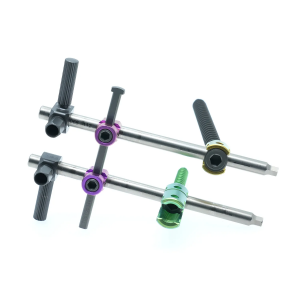
A gerincoszlop-csavarrendszer alapvető fontosságú a modern gerincműtétekben, mivel kritikus stabilitást biztosít a gerincösszeolvadáshoz. Ahogy a műtéti technikák fejlődnek és a betegpopuláció egyre diverzifikáltabbá válik, az implantátumok iránti igény is változik. A mai ortopédiai kihívások – a minimálisan invazív eljárásoktól kezdve a csontritkulásos csont kezeléséig – nem csupán szabványos eszközöket, hanem mögöttük egy elkötelezett kutatási és fejlesztési képességet is igényelnek.
A Geasure Medical felismeri ezt a szükségességet. Pedikuláris csavar eszközeinek és implantátumainak fejlesztését egy proaktív kutatás-fejlesztési filozófia vezérli, amelynek célja olyan megoldások nyújtása, amelyek lépést tartanak a gerincellátás változó környezetével és a betegek eltérő anatómiai igényeivel.
A klinikai igények fejlődése: A kutatás-fejlesztés hajtóereje
A modern gerincműtét számos kulcsfontosságú irányzatot mutat, amelyek közvetlenül befolyásolják az implantátumok és műszerek tervezését:
- Az átmenet a minimálisan invazív sebészet (MIS) felé: A beavatkozásokhoz olyan eszközökre van szükség, amelyek lehetővé teszik a pontos behelyezést kisebb metszések révén, továbbá javított látási és irányítási képességeket biztosítanak.
- Az osteoporosis kezelése: Az öregedő népesség miatt a csavaroknak biztonságos rögzítést kell elérniük csökkent sűrűségű csontban, ami újításokat eredményez a menetkialakításban, az augmentációs technikákban és az anyagtechnológiában.
- A betegre szabott anatómia: A jelentős anatómiai variációk figyelembevétele szükségessé teszi a beültethető eszközök különböző méretének, bevezetési irányainak és kontúrozási lehetőségeinek biztosítását az optimális illeszkedés és biomechanikai stabilitás eléréséhez.
Az R&D-munka hogyan alakul át termékjellemzőkké
A Geasure R&D-be történő beruházása konkrét termékjellemzőkben nyilvánul meg, amelyek ezeknek a folyamatosan változó igényeknek való megfelelést célozzák. Ez a folyamat rendszerszerű és a kulcsfontosságú teljesítményterületekre összpontosít.
| R&D-kutatási terület | Átalakulás termékjellemzőkké | Lehetséges klinikai előny |
| Biomechanikai mérnöki munka | Fejlett menetkialakítás (pl. kettős menetemelkedés, változó menetemelkedés), optimalizált magátmérő. | A kihúzási szilárdság javítására törekszik, különösen csontritkulásos csontban, valamint a terhelés egyenletesebb elosztására. |
| Anyagtudomány | Magas szilárdságú, biokompatibilis titánötvözetek alkalmazása; felületkezelések (pl. porózus bevonatok). | Hosszú távú tartósság biztosítására és az oszteointegráció elősegítésére törekszik, hogy tartós stabilitást érjen el. |
| Ergonómikus és sebészeti tervezés | Alacsony profilú csavarfejek, leegyszerűsített csökkentők és hatékony zárómechanizmusok. | A rúdcsökkentés megkönnyítésére, a szövetirritáció csökkentésére és a sebészi munkafolyamat leegyszerűsítésére tervezték. |
| Eszközrendszer-integráció | A beültetett eszközök geometriájához pontosan illeszkedő, precíziós irányzók, menetfúrók, hajtók és hajlítóeszközök együttfejlesztése. | A sebészi pontosság és az eljárási hatékonyság javítására törekszik, támogatva mind a nyitott, mind a minimálisan invazív (MIS) sebészi megközelítéseket. |
Az alap: Geasure kutatás-fejlesztési és vállalati ökoszisztémája
Ez a rugalmasságot biztosító termékfejlesztés nem izoláltan zajlik. A Geasure integrált vállalati erősségei táplálják:
- Szerkezett innovációs folyamat: A cég szabályozott tervezési és fejlesztési keretrendszerhez tartja magát, amely valószínűleg megfelel az ISO 13485 szabványnak. Ez biztosítja, hogy az innovációk rendszerszerűen legyenek értékelve, validálva és ellenőrizve a koncepciótól a gyártásig.
- Integrált gyártási képesség: Több mint 30 000 négyzetméteres gyártóterülettel és több mint 350 darab feldolgozó- és tesztelőberendezéssel a Geasure rendelkezik a belső képességgel, hogy gyorsan prototípust készítsen, teszteljen és gyártsa új terveket, ezzel lerövidítve az innovációs ciklust.
- Globális klinikai visszacsatolási hurok: A világ több mint 50 országában működő piacokon való jelenlét értékes betekintést nyújt a különféle sebészi gyakorlatokból és betegpopulációkból. Ez a globális szemlélet közvetlenül befolyásolja a kutatás-fejlesztési (R&D) folyamatot, biztosítva, hogy a fejlesztések megfeleljenek a világ szerte fennálló klinikai igényeknek.
- Kötelezettségvállalás a tanúsítás iránt: A nemzetközi tanúsítások (pl. CE, FDA) megszerzése és fenntartása szigorú tesztelést és dokumentációt igényel, amely viszont egy folyamatos fejlődésre és bizonyítékokon alapuló tervezésre épülő kultúrát eredményez a kutatás-fejlesztési (R&D) folyamatban.
Következtetés: A kutatás-fejlesztés (R&D) a haladás partnerének tekintendő
A Geasure számára az R&D-képesség több mint egy osztály; ez egy alapvető elköteleződés a világsebészeti közösség iránti partnerség iránt. A Geasure kutatási erőfeszítéseit a modern gerincsebészet sürgető igényeire összpontosítja – a biomechanikától kezdve a sebészi technikákig –, hogy biztosítsa: pedikuláris csavarrendszerei ne statikus termékek legyenek, hanem folyamatosan fejlődő megoldások.
Ez a megközelítés abban a meggyőződésben gyökerezik, hogy a sebészek támogatása gondosan kialakított eszközökkel és implantátumokkal elengedhetetlen a traumatológiai és ortopédiai betegek összetett és egyedi igényeinek kielégítéséhez. Éppen ezen elkötelezett kutatási, fejlesztési és klinikai együttműködési ciklus révén törekszik a Geasure arra, hogy hozzájáruljon a gerincellátás folyamatos fejlődéséhez.