
 EN
EN



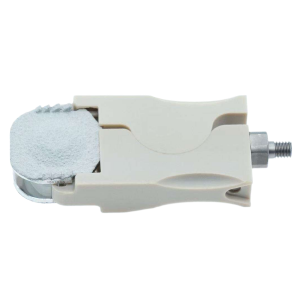
If you are facing chronic neck pain that radiates down your arm, your doctor may have mentioned issues with your cervical disc and brought up the possibility of cervical disc replacement surgery. Understanding how a natural cervical disc functions, what happens when it fails, and how a modern artificial disc replacement works can help you make an informed, confident decision about your spinal care.
1. What is a Cervical Disc and What Does It Do?
Your cervical spine consists of the top seven bones (vertebrae) of your backbone, located in your neck. In between these bones sit your cervical discs.
A natural cervical disc acts as a high-performance shock absorber for your head and neck. Structurally, it is divided into two main parts:
-
The Annulus Fibrosus: A tough, rubbery outer ring made of strong collagen fibers.
-
The Nucleus Pulposus: A soft, jelly-like center that provides cushioning and allows your neck to flex, extend, and rotate smoothly.
As long as the disc remains healthy, it maintains a safe distance between your vertebrae. This spacing keeps the small neural pathways (foramina) open, allowing spinal nerves to exit the spinal cord and travel down your shoulders, arms, and fingers without interference.
2. The Patient Experience: Moving from Chronic Pinching to Freedom
When a cervical disc undergoes degenerative disc disease or herniates, it loses its water content and flattens out, or the jelly center leaks through the outer ring. This leads to bone-on-bone friction and severe compression of the nearby nerves or spinal cord.
Case Study: Restoring Arm Function and Eliminating Pain
The Patient: A 39-year-old graphic designer spent hours a day looking at screens. Over eighteen months, he developed severe neck stiffness, which eventually turned into a sharp, burning pain radiating down his left shoulder and arm, accompanied by a tingling sensation in his thumb and index finger.
The Clinical Problem: An MRI confirmed a severe, localized disc herniation at the C5-C6 level. The slipped disc material was aggressively pressing against the C6 nerve root, causing radiculopathy and making it impossible for him to use his design tablet comfortably.
The Treatment Plan: Because his pain was localized to a single disc level and his facet joints were healthy, he was an ideal candidate for a Total Disc Replacement (TDR) rather than a traditional spinal fusion.
The Surgical Outcome: During the procedure, the surgeon removed the damaged cervical disc material and cleared the pressure off the nerve. Instead of locking the bones together with a fusion cage, the surgeon inserted a motion-preserving artificial cervical disc. Within days, the radiating arm pain disappeared. Within six weeks, the patient regained a completely natural range of motion in his neck, allowing him to return to work without the stiffness associated with spinal fusions.
3. Artificial Cervical Discs: Materials and Mechanics
If you undergo cervical disc replacement, the surgeon will replace your damaged disc with an artificial construct designed to replicate natural biomechanics. These modern implants are typically constructed from a combination of highly durable materials:
-
Medical-Grade Cobalt-Chromium or Titanium Alloys: These metals form the top and bottom plates of the artificial disc, which anchor directly to the vertebrae above and below. The surfaces facing the bone are often treated with a rough, porous coating that encourages your natural bone cells to grow into the metal, locking it permanently in place without the need for bone cement.
-
Ultra-High-Molecular-Weight Polyethylene (UHMWPE): Many designs feature a core made of this ultra-dense, medical-grade plastic, which snaps between the metal plates. This creates a smooth "ball-and-socket" or "mobile-bearing" interface, allowing the implant to mimic the natural gliding, bending, and turning of a real disc.
Unlike a lumbar cage used in a spinal fusion—where the primary goal is to stop all movement—the mechanical goal of an artificial cervical disc is to preserve physiologic movement.
4. Biomechanical Consensus: Preserving Motion, Preventing Future Failures
The choice between a traditional cervical fusion (ACDF) and a cervical disc replacement is rooted in a well-established biomechanical consensus supported by organizations like the North American Spine Society (NASS):
-
Mitigating Adjacent Segment Disease (ASD): When a spinal level is fused and locked into place, the segments directly above and below it must work twice as hard to compensate for the lost movement. This increased mechanical stress causes those adjacent discs to wear out prematurely. By maintaining natural motion at the surgical site, an artificial cervical disc protects your surrounding spinal anatomy from accelerated degeneration.
-
Rapid Recovery and Realignment: Clinical trials tracked by the FDA indicate that patients undergoing artificial disc replacement consistently experience shorter recovery windows and fewer long-term secondary operations compared to fusion patients. The device maintains your neck's natural sagittal alignment (its healthy forward curve), keeping your head balanced and reducing muscle strain in the upper back.
Key Takeaways for Patients
If your surgeon has recommended an artificial replacement for your compromised cervical disc, keep these core concepts in mind:
-
The Goal is Relief and Motion: The procedure is designed to remove the root cause of your nerve pain while keeping your neck moving naturally.
-
Anatomy Matters: Disc replacement is highly effective, but it requires healthy facet joints and stable bone quality to work properly.
-
Long-Term Protection: Preserving motion today is one of the most effective strategies for protecting the rest of your neck from needing surgery down the road.